Evenings cool off quickly in Pasadena once the sun drops behind the San Gabriels. That temperature level swing, paired with our dry climate, makes a well designed fire function a magnet for gathering. Set a fire pit on an appropriately constructed paver outdoor patio and you turn a pretty lawn into a space people in fact utilize, month after month. The technique is to get the style, siting, fuel choice, and installation information right for our soils, winds, and regional code. Done right, it appears like it has constantly belonged and it works safely with minimal upkeep.
I have actually installed and reconstructed more than a hundred fire functions on patios in the San Gabriel Valley. The most gratifying ones feel simple and easy. You sit, you talk, the flame behaves, the seating is natural, the surface remains cool where it should, and the entire composition works as one. That outcome is style, not luck.
Why a fire pit pairs so well with a paver outdoor patio in Pasadena
Pavers make a flexible, serviceable platform for heat. Interlocking pavers, whether concrete or stone, rest on a compacted aggregate base that drains pipes. Heat from a fire pit rises, so the paver surface area simply beyond the pit's edge stays comfy underfoot. If a piece chips or discolorations, you can pull a single system and change it in minutes. That kind of maintainability is hard to match with poured concrete.
Beyond function, pavers connect the pit visually to the outdoor patio and the rest of the landscape. Brick pavers bring in the warmth of Pasadena's historical cottages. Concrete pavers deliver sharp modern-day lines that deal with newer builds. Natural stone pavers include organic texture and color variation that matches the foothill light. You can change the bond pattern at the pit's perimeter, add a stone inlay, or run a circular soldier course to commemorate the fire zone without breaking the general rhythm.
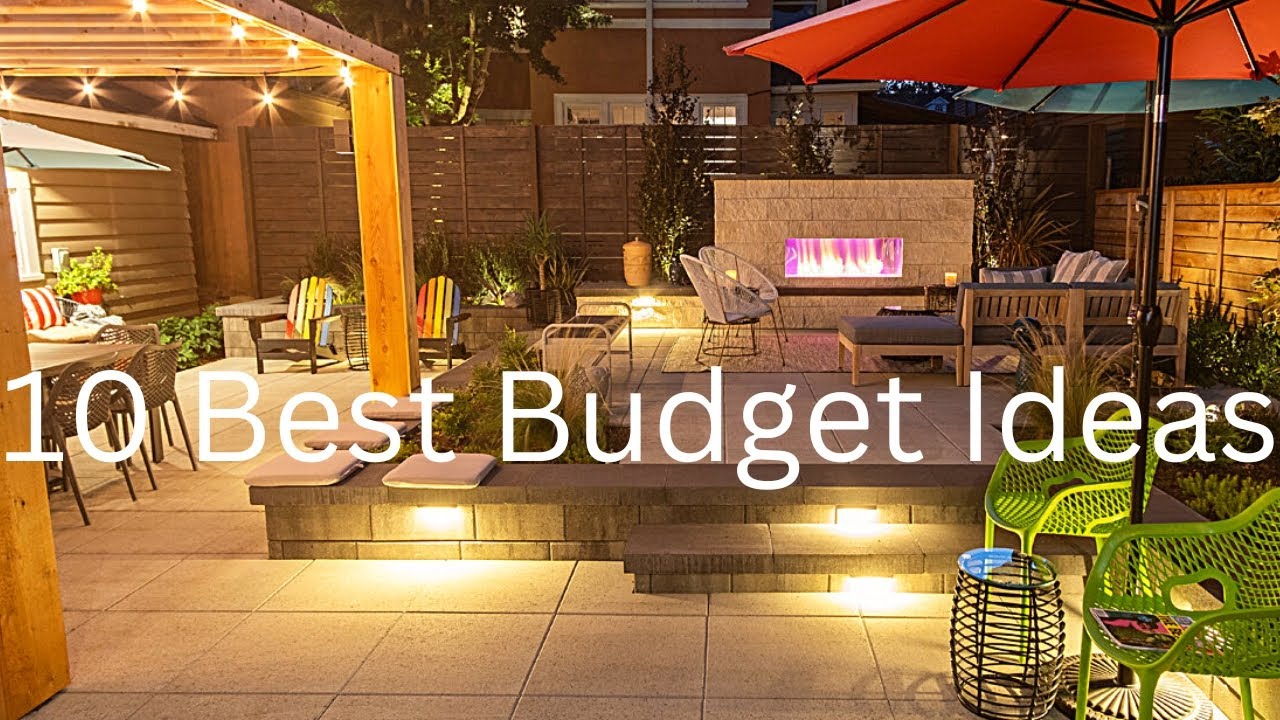
When clients ask what makes a patio area feel completed, I tell them it is an intentional centerpiece and a sensible circulation pattern. A fire pit checks both boxes. Visitors naturally orient toward it and, if you plan pathways, actions, and seat walls to frame the zone, the whole yard works much better. Ridgeline Outdoor Living paver installation experts frequently anchor a patio with a low seat wall that doubles as a wind break. The pit then ends up being the heart of a functional outdoor room.
Start with security, code, and site conditions
Pasadena follows the California Fire Code with regional changes. The guidelines change slightly with time, so contact the City of Pasadena Preparation and Community Advancement Department and the Fire Department before you develop. As a basic guide, maintain a minimum of 10 feet of horizontal clearance from any combustible structure for wood burning pits, keep flames a minimum of 3 feet below eaves or overhangs, and avoid building under low limbs. Gas fire pits that are hard piped generally need a pipes license and evaluation. If you run electrical for ignition, you will involve the building department.
Santa Ana winds complicate open flames. In exposed backyards above Linda Vista or along the Arroyo, a low profile design with an incorporated wind guard or a raised lip assists keep ashes contained. Use a stimulate screen on wood burning bowls when the air is dry and breezy. Think about a gas system if you desire foreseeable flame behavior and easier compliance on high fire danger days.
Soils in older Pasadena neighborhoods range from compact decomposed granite to pockets of expansive clay. This matters. An interlocking paver patio resists motion, but a heavy masonry fire pit adds point load. If you are developing a big natural stone pit or a circular bench, thicken the base and boost compaction. We often dig to 8 to 10 inches total area for the fire zone, then compact in lifts and utilize a high quality Class II road base to reach 95 percent density. That extra effort avoids settlement rings that telegraph around the pit after the very first rainy season.
A fast pre set up checklist
- Verify problems and verify if an authorization is needed for gas, electric, or any structural walls. Map gas, water, and electrical lines with 811, and strategy safe paths for brand-new utilities. Test watering zones near the patio area and cap or reroute heads to keep water off the fire zone. Measure wind exposure at the picked area and strategy guards or orientation accordingly. Choose the fuel type, ignition method, and burner size early so the base and sleeves are sized correctly.
Fuel options that fit Pasadena living
Wood brings sound, aroma, and a more primal flame. It likewise brings sparks, smoke, and ash. With numerous hardscaping guide Pasadena lots surrounded by fully grown trees, smoke management matters. If you prefer wood, size the bowl generously, line the fire box with fire brick, and include a spark screen and a steel or stone cap that overhangs the flame area by an inch or two. You will also desire a dedicated wood storage solution that ties into your patio area design so you are not leaning split logs versus the house.
Gas is clean, practical, and permitted on numerous red flag days when wood is not. Natural gas makes good sense if you currently have a close-by line and want long sessions without any fuel swapping. Lp works for patios set far from your home, but plan where the tank sits. We typically conceal a 20 pound cylinder behind a hinged panel in a masonry seat wall or inside a function developed cabinet with ventilation. Pick a licensed burner set sized to your pit. A typical 36 inch round pit runs easily on a 90,000 to 120,000 BTU burner. For rectangle functions that seat a crowd, 180,000 BTU burners provide a vibrant flame without roaring.

There is a hybrid approach that works well in communities with mixed preferences. A gas starter under a wood pit gives you quickly, dependable ignition, then you burn wood for the experience. This calls for careful coordination between plumbing, fire brick liners, and airflow, however the result is simple to utilize and safe.
Sizing the fire pit genuine individuals and real furniture
The market enjoys tidy diameters, 36 and 48 inches, however those numbers just matter in context. A 36 inch round pit works for 2 to 4 individuals who like to sit more detailed. A 42 to 48 inch round pit feels generous for family use. Rectangular and square pits set better with sectional couches and built in seating. A 24 by 48 inch rectangle checks out contemporary and gives lots of edge for plates and glasses without controling a smaller sized patio.
Clearances drive convenience. I go for 18 to 24 inches from the edge of the coping to the seat front and 36 to 44 inches of open floor behind each chair for traffic. If we include a seat wall, a pit height of 16 to 18 inches above completed pavers lets you tuck your feet easily. Taller pits look significant, but they press heat sideways and make marshmallow roasting awkward for kids.
Choosing the right pavers and finishes for Pasadena homes
Interlocking pavers stay the workhorse for patio installation since they integrate strength, repairability, and style flexibility. Textured concrete pavers with muted blends in taupe, charcoal, and cream sit well with stucco and mid century schemes typical in Madison Heights and along Hastings Ranch. Brick pavers are a natural fit with Artisan and Spanish Revival homes. I like a tumbled edge that softens the appearance and avoids a slippery face near the fire zone.
Natural stone pavers, like quartzite or porphyry, hold up magnificently to heat, however they are much heavier and require more attention to base preparation. Bluestone looks great, although in full sun it can get warm to the touch in summertime. Around a fire pit, I favor a coping treatment that contrasts carefully in color but not in texture, for instance a developed limestone or a bullnose concrete coping if the field is rougher. That subtle modification signals the fire zone without developing a trip hazard.
For the pit itself, you have choices. Brick rings with fire brick liners stimulate timeless hearths. Cinder block cores skinned with ledgestone or split face units provide a crisp, cost reliable appearance. If you choose monolithic heft, natural stone maintaining blocks dry stacked with a refractory mortar backing checked out timeless, particularly when they echo stone retaining walls elsewhere in the lawn. When we act as a retaining wall contractor in Pasadena, we often collaborate the wall stone with the fire pit veneer so the website feels designed as a whole.
Drainage and base preparation that keep the patio flat and safe
A fire function adds weight and heat to a localized location. The paver field around it must drain pipes and stay flat. I go for a 1 to 1.5 percent slope away from the pit, without any local low areas. If we are building a gas system, I core a sleeve under the pit for the gas line, then pack around a schedule 40 sleeve with sand to allow small motion without stressing the line. We frequently add a dry well under the center of a big pit, filled with angular gravel and covered in fabric, to keep any incidental water from pooling. A basic weep opening at the base of the pit helps moisture escape.
Compaction is non negotiable. For standard patio areas we run a plate compactor on 4 inch base raises, but for a fire zone I like thinner lifts and more passes. Geotextile under the base separates soil from aggregate in clayey areas and avoids pumping during heavy rains. Around vehicle ignition packages, we set avenue courses with gentle sweeps so future service is possible without pulling pavers.
The field proven workflow for building a paver outdoor patio with a fire pit
- Design and layout: Establish the patio footprint, seating arcs, walkways, and the pit centerline. Mark energy routes and future functions such as an outdoor cooking area or seat walls. Excavation and base: Excavate the outdoor patio and over dig under the pit zone. Set up geotextile if soil dictates, then compact Class II base in lifts, finishing with a screeded bedding layer. Utilities and sleeves: Set gas sleeves, electrical conduit, and drain courses. Pressure test gas lines and keep as-built photos for the homeowner. Build the pit and set pavers: Build the pit core, set up liners and burner if gas, then lay the paver field, cutting easily to a soldier course around the pit. Install coping last for a tight reveal. Finish, test, and seal: Test ignition, check flame height, and validate clearances. Clean the outdoor patio, sand joints, and use sealer if the item and climate call for it.
Seating, comfort, and how people in fact use the space
A fire pit fails when guests hover and then wander inside. Great seating repairs that. Movable easy chair let households change the area for parties and peaceful nights. Integrated in seat walls, essentially low retaining walls, produce permanence and free up flooring space. We often construct imaginative block retaining walls in Pasadena that function as seating, then include a wood or stone cap with a softened edge. Stone retaining walls experts in Pasadena LA understand to pitch those caps somewhat forward, a hardly noticeable 1 to 2 percent, so dew and spilled drinks shed far from cushions.
If you add a seat wall, give it a back view. A low wall that frames the Arroyo Seco or a trellis with jasmine offers the eye something beyond the flame. Incorporate low voltage lighting under caps and in action risers. It avoids trips and gives the yard a layered nighttime look.
Walkway connections that feel natural
A fire pit just shines if getting to it feels simple. That is where walkway installation is available in. Garden courses must check out as invitations, not obligations. A 36 inch broad stone pathway is comfy for two individuals to pass, however if the course flexes and opens to the patio area, you can neck it down to 30 inches in difficult situations without it feeling stingy. Ridgeling Outdoor Living garden pathway ideas often stitch pavers and natural stone together, for example a concrete paver path with natural stone accents that echo the fire pit veneer. A brief limit of rougher texture near the pit signals a sluggish zone where people step more carefully.
Outdoor kitchen and fireplace synergies
Many Pasadena house owners combine a fire pit with an outside kitchen and sometimes an outdoor fireplace. The kitchen requires clear separation from open flame locations for code and convenience. I choose putting the grill upwind of the pit based on dominating breezes, then letting the fire pit be the lounge zone. If you are torn in between an outdoor fireplace and a pit, think about the social patterns. A fireplace develops a directional focus and a stronger sense of room. It blocks wind and traps heat much better on cold nights, but it seats fewer individuals deal with to face. A fire pit is more social and versatile. On tight lots or where next-door neighbors sit close, a gas pit often wins since of smoke control.
Budget ranges that line up with products and scope
Numbers differ with access, utilities, and finish choices, however ballparks help. A little to mid size gas fire pit, 36 to 42 inches, constructed on an existing paver patio with nearby gas, normally lands in the 4,500 to 7,500 variety in Pasadena. Add a brand-new patio installation, energies, and a veneered masonry seat wall, and you are taking a look at 18,000 to 40,000 depending upon square video footage and products. Natural stone pavers include 20 to 40 percent over mid grade concrete pavers. A complete outside kitchen area with gas, electric, and stone counters can include 12,000 to 30,000 on the top, depending on home appliances. Brick pavers fall in between concrete and stone on expense however need more cutting and detail work around curves.
Ridgeline Outdoor Living paver setup experts usually suggest investing in the base and energies first, then calling the veneer to hit the budget. You can always upgrade a cap or change out furnishings later. Reconstructing a failed base costs even more than choosing a somewhat simpler stone now.
Maintenance that keeps the fire function safe and handsome
Gas pits ask really little. Once a month in leaf season, remove the media and vacuum the pan. Check weep holes and tidy spider webs from orifices that can trigger yellow flames. When a year, have a certified plumbing soap test fittings. For wood pits, scoop ash after each use, wipe soot from the coping before it engraves, and keep a steel ash pail with cover on a paver or stone surface area till the contents are dead cold. Many concrete pavers take advantage of a breathable sealer every 2 to 3 years, specifically in shaded spots where mildew might creep in. Natural stone varies. Some stones desire a permeating sealer, others age much better with no film. Ask the provider for a sample tile and test water absorption before making a call.
If you start to see a white powdery bloom at joints, that is efflorescence. It prevails in new setups as salts migrate. It generally fades with time and rinsing. Avoid acid unless you have a professional use it, and never utilize it near a burner pan without safeguarding the components.
Common errors and how to avoid them
The most regular mistake is positioning the pit too near to your home since it feels safe and social near the door. It winds up smoky, cramped, and uncomfortably hot against siding. Pull it into the backyard, give it air, then link it with a path. Another error is avoiding utility sleeves during outdoor patio work, just to cut through fresh pavers later. Even if you do not prepare a fire pit now, set sleeves during patio area design so future work is simple.
I also see patio areas without a wind plan. On a still early morning the area seems best. That very first Santa Ana advises you otherwise. Watch smoke behavior or toss a handful of lawn clippings on a breezy afternoon to see how air moves. A 24 inch high seat wall upwind can transform the experience. Finally, pick fire media that matches your burner. Extra-large stones on a low output ring choke the flame. The ideal lava or glass size spreads out heat and looks better.
Retaining walls and level changes that set the stage
Pasadena's gentle slopes want terracing. When we handle retaining wall installation in Pasadena CA, we frequently carve a flat upper terrace for the patio and fire pit, then drop to a lawn or garden below. That 2nd grade modification creates visual drama and sound control. A retaining wall contractor in Pasadena will guide you on footing depth, drain, and tie backs suited to your soil. When the wall doubles as a seat wall, we expand the top course and select a comfortable cap so it does two jobs silently. If you like the natural appearance, stone retaining walls add mass and character that manufactured systems hardly ever match, though modern-day block provides consistent geometry that makes tight curves around a round pit simple to build.
Paver patterns and accents that raise the design
Little choices make a paver patio sing. If you are checking out the best paver patio styles for Pasadena homes, believe beyond color. A herringbone inset under the seating group includes energy. A running bond oriented towards the primary garden view pulls the eye outward. Around the fire pit, a contrasting soldier course indicates the edge in a clean, maintainable way. I avoid excessively fussy inlays right up against the pit because heat biking can accentuate small positioning mistakes over time. Keep the artwork a foot or two out where temperature levels are steadier.
Brick pavers laid in a basket weave echo historic driveways and pair well with clay premium landscaping services chimney pots repurposed as planters. Concrete pavers with a light chamfer and tight joints read modern-day. Natural stone pavers, especially irregular cuts with sawn edges, deliver a curated wildness that matches native plantings.
When a fire pit is not the best choice
There are lawns that just want something else. If your lot is dense with overhanging trees, if air quality guidelines in your zone strictly restrict open flame, or if you have toddlers and want more control over radiant heat, an outdoor fireplace or an electric radiant heating unit system might serve you much better. Another alternative is a tabletop gas feature incorporated into a table, which provides environment without devoting floor space. An experienced patio contractor will walk you through these tradeoffs before a shovel hits dirt.
Partnering with the right team
A fire function threads through numerous trades. You are coordinating excavation, base compaction, paver design, masonry, plumbing, electrical, and sometimes metal fabrication. Employ a paver contractor who comprehends how these pieces interact on Pasadena soils and within regional code. Ask to see tasks that have actually been through at least one winter and one summertime. Take a look at the joints, listen to ignition, check that seating distances feel right for your furniture. Patio design Ridgeline Outdoor Living favors mockups, even if just a taped outline and a couple of chairs, so you can feel the space before you commit.
When all of this comes together, the outcome feels inescapable, as if the outdoor patio and pit grew there. You light the flame, someone brings out a plate of citrus from the yard tree, and a regular night ends up being a place you keep in mind. That is the peaceful power of a well built paver patio area, an attentively placed fire pit, and a team that cares about the details.
Business Name: Ridgeline Outdoor Living
Address: 845 E Walnut St, Pasadena, CA 91101, United States
Phone: (626) 469-5822
Ridgeline Outdoor Living
Ridgeline Outdoor Living is a Pasadena-based landscape design-build company serving Greater Los Angeles with custom outdoor living, hardscape, and drought-tolerant landscape solutions. The company specializes in patios, retaining walls, outdoor kitchens, drainage, hillside projects, and turnkey landscape construction, handling projects from design and permitting through final build and warranty.
845 E Walnut St, Pasadena, CA 91101, USA
Business Hours:
- Monday – Saturday: 8:00 AM – 6:00 PM
- Sunday: Closed
Follow Us: