Pasadena gardens request more than pretty plant combinations. On our foothill slopes and fill lots, stone borders, maintaining walls, and crisp edging control water, shape area, and secure your investment from erosion. When these elements are created with the site in mind, they look simple and easy. When they are not, they split, slide, or send out storm runoff directly throughout a patio area. After 20 years working on garden style in Pasadena and neighboring canyons, I find the very best outcomes come from checking out the land early, then letting the hardscape do peaceful, reputable work in the background.
What stone provides for a Southern California garden
A narrow band of stone along a path, a soldier course framing a paver patio area, a 30-inch maintaining wall that produces a flat yard for the kids, these are structural relocations that identify how the whole place functions. Borders and edging set clean lines, keep mulch off paving, hold broken down granite in location, and offer lawn mowers a recommendation. Retaining walls carve terraces into slopes so you can take pleasure in the view without scrambling up loose soil.
Just as important, stone links the garden to local geology. San Gabriel granite, river cobble from the Arroyo, or a warm limestone cap echoes the hills in ways stamped concrete never ever will. That tie to position matters a lot more when you lean into drought tolerant garden Pasadena strategies or full xeriscape landscaping. Simple, well positioned stone lets low-water planting feel finished, not barren.
Read the website very first: slopes, soils, and setbacks
Pasadena parcels can change soil profile within a couple of backyards. Older areas typically rest on well drained pipes alluvial fans. More recent fill lots sometimes conceal clay pockets that hold water after a rain. The Santa Ana winds dry surface layers quickly, then our winter storms drop an inch of rain in a day. Put those realities together and you understand why edging that looks best in September can heave or settle by March if the base was thin or the drainage was ignored.
I remember a front backyard landscaping job on Linda Vista where a house owner wanted a minimalist steel edge separating synthetic grass from a gravel path. The slope was only 3 percent, gentle to the eye. But a clay joint crossed the website, and water perched on it. Without a subdrain to relieve pressure, that edge would have pressed out each winter season. We cut a narrow trench listed below the edge, set a perforated pipeline to daytime at the driveway, which quiet detail kept the line perfectly directly through 5 rainy seasons.
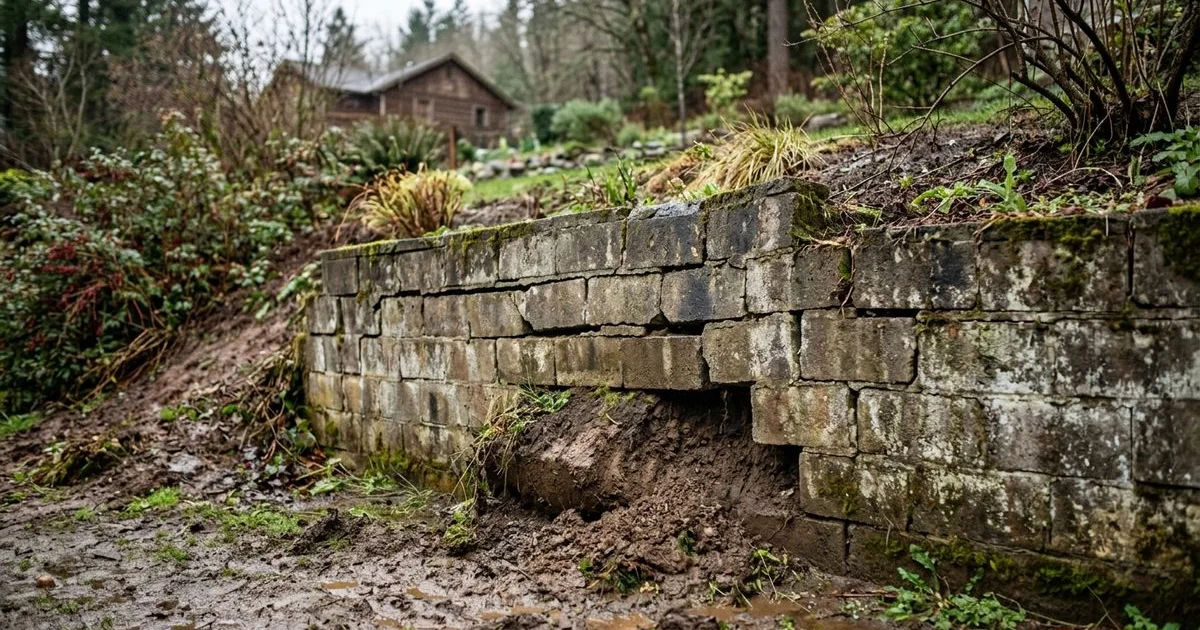
When a job requires a tiered backyard or an outdoor patio cut into a slope, a keeping wall is not optional. Height activates permitting and in some cases engineering. In much of the city, anything over 3 to 4 feet of exposed wall needs to include a licensed retaining wall builder Pasadena residents can rely on for right footings, drain, and, if needed, geogrid support. The limit is not arbitrary. Lateral earth pressure climbs up quick with height, and damp soil weighs more than dry.
A fast website evaluation checklist before you sketch
- Walk the yard after rain or run tubes to see how water moves, then note where it should leave the site. Probe the soil with a shovel or auger in three or more places to find sand, loam, or clay layers. Shoot rough grades with a home builder's level or a laser to discover slope percentages and possible terrace lines. Locate energies, set-backs, roots, and existing footings so your strategy respects what need to remain. Photograph sun angles at early morning, mid-day, and late afternoon to set stone and planting with microclimates.
That 30 minutes of investigator work can conserve days of rework. It likewise forms material choice. A dry stack wall on deep, sandy soil behaves differently than the very same wall on extensive clay.
Retaining walls, from garden seat to hillside muscle
Most gardens fall under among three wall types. Each fits when you deal with a hardscape company Pasadena house owners trust.
Dry stack stone walls use gravity and careful fitting instead of mortar. They breathe, drain pipes well, and fit gardens where you desire a natural appearance. On modest heights, state 18 to 30 inches, they double as casual seating. They require patient installation and stable, compacted base. On clay, I include a narrow concrete footing or, at minimum, a thicker crushed base so seasonal movement does not open joints.
Segmental retaining wall systems utilize interlocking cinder block, generally with a textured face. They put together rapidly, handle curves, and when integrated with proper geogrid and a totally free draining backfill, can reach significant heights without poured concrete. For retaining wall installation Pasadena hillside homes, this is the reputable workhorse. The trade-off is aesthetic. Not every home desires the look of modular block, though thin stone veneer can soften it.
Reinforced CMU with veneer is the completely crafted route. A reinforced concrete footing, vertical steel in grouted block cores, waterproofing, weep holes, a compacted gravel backfill, and a subdrain give long-term stability. This is the choice when supporting a driveway, a swimming pool deck, or where surcharge loads require it. The visible face gets a stone or plaster finish so you still read it as part of the garden.
Any of these can be topped in limestone, cast concrete, brick, or bullnose pavers. Cap thickness matters. A 2-inch cap on a 24-inch wall feels skimpy. I prefer 2.5 to 3 inches for comfortable seating and visual balance, with a small drip edge so water falls clear. On curves, true radius caps look much better than a series of little straight sections. Your paver contractor Pasadena team can get factory curves on numerous systems, or fabricate stone for tighter radiuses.
Edging that holds the line without taking the show
Edging divides surface areas, keeps materials in their lanes, and offers your eye a referral. In Pasadena gardens, I cycle through five common alternatives, picking based upon context and maintenance appetite.
Steel edging, powder coated or raw, provides the crispest line and holds up well around decayed granite, gravel, and lawn. It flexes for gentle curves and manages a lawn mower wheel. The knock is heat. In a complete sun strip next to artificial lawn, metal can fume adequate to be uneasy, so I set it a little proud of grade and far from seating.
Natural stone border courses, three to 5 inches thick, look right around DG patios or planting beds. A single row of granite patches or toppled limestone will not look dated five years from now. They require a compacted base and restraint to stay in place, especially on curves. If you aim for a European cobble look around a paver patio Pasadena property owners prize, select a jointing product you can maintain. Polymeric sand holds, however weeps fine dust if power cleaned too hard.
Cast concrete cut strips, 6 to 8 inches broad, enter into the structure. They define beds, stop Bermuda turf intrusion, and provide a cool edge for real turf or synthetic turf. They require growth joints and steel reinforcement to cross driveways elegantly. On roots, provide a root barrier. A crisp, saw-cut top can find out more refined than a troweled radius.
Brick edging feels comfortable with historical Artisan bungalows. Soldier course beside a pathway, rowlock atop a low wall, herringbone frame for a little seating location, brick is forgiving and repairable. It prefers sandy soil and well compacted base. On extensive clay, I thicken the base and include a concrete curb hidden on the planting side to keep it from wandering.
Aluminum edging functions like steel with less patina and lower weight. It works well for roof planters or projects where you desire a neutral tone against light gravel. It is not a good option where it will take regular tire or trailer hits.
For garden landscaping Pasadena residential or commercial properties in Older Pasadena and Madison Heights, where architectural character matters, the right edge assists a space feel like it belongs. Mix thoroughly. A single edging language across the front backyard and backyard landscaping Pasadena areas relaxes the design.
The peaceful star: drainage behind every wall and edge
If I might hang an indication on every retaining wall it would check out: let me breathe and shed water. Hydrostatic pressure sneaks up on structures. A wall that would last decades with a clean drain will bow in 2 winters if water can not get away. Here is the core playbook I follow as a drainage contractor Pasadena clients bring in when a lawn holds water.
Weep holes at the base of strong walls eliminate pressure. I drill or prepare them every 4 to 6 feet, sized to match a filter material pocket so fines do not obstruct the opening. Behind the wall, I specify a minimum of 12 inches of tidy gravel backfill covered in non-woven geotextile.
Subdrains capture seepage and move it out. A 4-inch perforated pipeline sits at the bottom of the gravel, sloped to daytime where possible. If the grade will not allow gravity flow, a sump and pump system paths to an authorized discharge. Ties to city storm facilities need permits. Faster ways here develop long headaches.
Surface grading still matters. Walls should never ever be asked to hold back direct surface overflow. The grade above them should move laterally to swales that approach landscape drainage Pasadena points of exit. Shallow swales lined with river rock can be both musical and effective.
These details repeat in yard drainage Pasadena problem areas even without walls. If synthetic grass installation Pasadena tasks develop puddles at seams, it is hardly ever the grass's fault. It is the base not carrying water off. Remedy the base and add a discreet drain inlet, then synthetic turf Pasadena installations look and perform beautifully.
A tidy set up for a stone border that lasts
Homeowners typically wish to take on a little stone border themselves. It is doable with persistence and the right series. For anything that retains soil or sits near foundations, work with a hardscape builder Pasadena trusts for allowing and security. For a simple garden edge around a bed or a DG path, this order works:
- Layout with a tube or string, then cut a tidy edge through turf or planting with a spade. Excavate a trench as large as the stone and much deeper than the thickest piece plus 3 to 4 inches for base. Add and compact a layer of Class II roadway base or 3/8 inch crushed gravel to produce a stable bed. Set stones or patches tight, tapping into place with a dead-blow mallet, then backfill both sides and compact. Sweep in jointing sand or fine gravel, water gently, and examine the line two days later on for adjustments.
On hot weeks, avoid rushing compaction, which relies on wetness material. A soil that is bone dry or soupy will not compact properly. Water the base lightly, wait an hour, then compact in thin lifts.
Pavers and patios that partner with edging and walls
The moment you add a patio, tolerances tighten. A solid paver patio Pasadena residents utilize day-to-day must be flat enough for chairs to sit without wobble, yet pitched enough to carry stormwater. 2 percent fall is an excellent starting point. Along the boundary, a soldier course or a different paver color frames the space and crisps the line.
Pattern matters. In Pasadena's older communities, a running bond or basketweave feels ideal next to a brick home. For mid-century homes, larger format pavers, rectified concrete squares, or developed stone fit the architecture. Your patio contractor Pasadena partner need to show major mockups before dedicating to the entire area.
If a maintaining wall backs a patio, connect these components from the start. Wall footing, base compaction, outdoor patio base, and surface grades should be sequenced so one step does not undo the previous. I have seen patio construction Pasadena tasks stop working since the wall trench collapsed into a freshly leveled outdoor patio base. Good teams trench, shore, put, and backfill walls before last patio base prep.
Planting and stone, working with water not versus it
Drought tolerant plantings set the tone for the majority of garden design Pasadena tasks now. Xeric does not suggest monotone. Silver foliage from artemisia and santolina plays well versus warm limestone. Deep green manzanita trunks sing in front of a cool granite. The edge between planting and paving should secure the soil. A 2 to 3 inch stone border acts as a speed bump for mulch, so it does not bleed onto the patio area in wind.
When fake yard is included, edges matter. Artificial grass Pasadena jobs need a safe and secure border, either tucked under a stone border, pinned to a surprise composite bender board, or stuck to a concrete trim strip. If the edge drifts, you will see it in three months. For artificial turf installation Pasadena tasks beside DG, I like a little stone border as a neat shift. It vents heat, drains pipes fast, and offers you a line to vacuum leaves without capturing a turf edge.
Microclimates are genuine here. South dealing with walls bounce heat. North sides remain cooler after a winter season storm. Use stone mass to your advantage. A low wall behind citrus can bank heat on winter season nights. Alternatively, prevent black steel edging where bare feet travel.
Details that separate a professional finish from weekend work
On curves, edges look best when the product desires the radius, not when it is forced. Steel or aluminum will flex consistently. Stone prefers softer arcs or true radius cuts. Blending both can fix a challenging geometry, however shifts should be clean, preferably landing at a joint or an intentional shift point such as a course junction.
At shifts between products, remember tolerances. A 2-inch cap above a paver will capture a toe. Set caps 1/2 inch above nearby paving if they are suggested to act as seating, or flush if they are simply edging. If you desire a shadow line between materials, a 1/4 inch expose suffices. Bigger checks out like a mistake.
Plants beside walls need irrigation tuned to avoid tracking water behind the wall. I keep drip lines 6 to 8 inches off the wall face, with emitters intended into the root zone, not at the block. Even with excellent waterproofing, less water on the wall surface area is smarter. On slopes, I divided watering into much shorter, more regular cycles so water has time to soak rather than run.
Critter pressure belongs to the calculus. Gophers weaken dry stack walls by pulling fines into burrows. Hardware cloth below base layers minimizes the danger. In older parts of town, I have actually seen raccoons pry polymeric sand out of joints searching for grubs. A thin sealant over sanded joints in high wildlife corridors adds insurance.
Budgets, scheduling, and where to spend
Costs differ with gain access to, engineering, and finishes. Here is a reality-based way to consider budget plans without pretending every lawn is the same.
Small stone borders and steel edging are relatively budget friendly per linear foot, but labor dominates when curves and hand fitting enter the photo. A 40 foot border can be a one to two day effort with two people if access is clear. Include carrying through a narrow side lawn and you double managing time. You will feel it.
Segmental block walls typically cost less than reinforced CMU with a stone veneer, yet they are not constantly the least expensive choice. If you desire a plastered want to match a Spanish Revival home, constructing CMU when might beat developing a modular block wall, then attempting to make it look like plaster later. Hardscape installation Pasadena strategies need to align look and structure from the start to prevent rework.
Paver patios land in between broom-finished concrete and cut stone pieces on expense. They justify their price by being repairable and forgiving over utilities. If you need to access a drain line later on, you can raise and reset pavers. That is one reason a paver contractor Pasadena groups advise often selects pavers near older clay sewage system laterals.
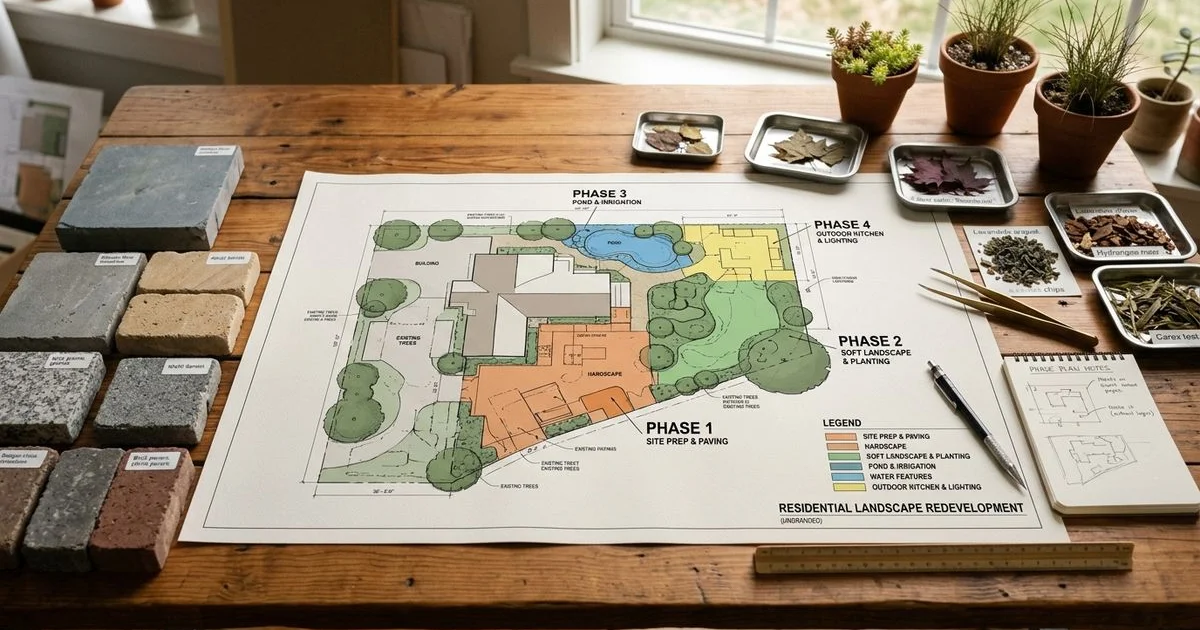
Timelines hinge on permitting for taller walls, lead times for caps, and the calendar. Teams book fast ahead of winter season rains and spring celebrations. If you desire patio style Pasadena residents envy by Memorial Day, begin style in late winter season. Phasing assists. Build walls and drain in fall, then set outdoor patios and planting after the first rains settle the dust. Outdoor living design Pasadena projects with kitchen areas, pergolas, and lighting layer nicely on that backbone when earthwork is done.
Maintenance, the five percent that protects the ninety-five
Stone and concrete age well, however they like attention. Sweep and top up jointing sand as needed each spring. Examine weep holes and subdrain outlets each fall, clearing leaf litter that can clog them before the first big storm. If efflorescence shows up on new walls, withstand harsh acids. Gentle cleaners and time generally fix it as salts dissipate.
After seismic occasions, walk your walls. Small motion in caps or hairline fractures in mortar can be repaired quickly, however just if someone notices. On terraced slopes, inspect that geogrid tails remain buried and undisturbed throughout any replanting. If a tree near a wall doubles in size, reassess root pressure. You can include root barriers retroactively sometimes, trenching carefully along the planting side.
Artificial turf edges appreciate a month-to-month vacuuming with a shop vac on blow, not suction, to lift fibers and get rid of fines. Prevent metal rakes that can nick edges. In shaded corners, algae can grow on stone. A soft brush and diluted naturally degradable landscape design Pasadena CA cleaner do the job. Avoid pressure washers on older mortar joints, which they can erode.
Bringing everything together
When the goal is luxury outdoor living Pasadena homeowners can take pleasure in year round, the most sophisticated gardens keep their structure quiet. Borders disappear, walls hold company, drainage works silently, and the planting takes the applause. Behind that grace is planning and disciplined execution. It is the difference in between a weekend fix and a twenty-year solution.
If you plan to hire help, look for a hardscape design Pasadena partner who speaks plainly about base prep, soils, and drainage, not just surfaces. Ask to see cross sections in the proposal. A best landscape contractor Pasadena clients recommend will invite those concerns. For complicated programs that combine seating walls, fire features, and shade structures, coordinate with an outdoor living professional Pasadena specialists like Ridgeline Outdoor Living who can line up engineering with aesthetics. When a team owns both the art and the mathematics, lines remain true and water goes where it should.
Hardscape contractor Pasadena teams worth their salt have stories of edges that held and walls that endured saturation due to the fact that small, unnoticeable decisions were made early. That is what you desire in your garden. Stone where it counts, edges that guide without screaming, and structures that turn a hillside into spaces where you can stick around, host, and enjoy the light change over the San Gabriels.
Where stone fulfills planting, Pasadena style
The most rewarding part of the job is the moment after the first rain on a new garden. DG paths tighten and darken, stone caps bead water then dry cleanly, and the drains pipes run precisely as prepared. You see shapes sharpened by wetness and the way textures play off one another. That is when the craftsmanship in your retaining wall installation Pasadena effort earns its keep.
Pair that backbone with water smart landscaping Pasadena concepts, and you spend your weekends living in the space rather than preserving it. Low-flow rotors intended into lawn or artificial grass edges that do not consume at all, mulch that remains in beds because borders do their task, and trees that rest on small terraces where their roots have space to run. It is a system. Get the bones right, and the rest follows.
For house owners setting their first strategy or straightening a tired yard, start at the edges and the grade. Generate a paver specialist or patio contractor Pasadena neighbors refer, not only for the surface work however for the base work you can not see. If your program consists of turf options, have your synthetic yard and stone teams coordinate edges. And if any wall approaches a height that will change how water and soil move, do not guess. Work with a retaining wall contractor to put numbers behind the design.
The love of gardens is real. So is gravity. In Pasadena, where one street can be flat and the next climb towards the Arroyo, stone borders, keeping walls, and clean edging are how you respect both. When set with care, they release you to concentrate on the fun parts, the scent of salvia in the afternoon and the method shadows from a capstone mark the hour on a summer season evening. That is the benefit for getting the basics right.
Business Name: Ridgeline Outdoor Living
Address: 845 E Walnut St, Pasadena, CA 91101, United States
Phone: (626) 469-5822
Ridgeline Outdoor Living
Ridgeline Outdoor Living is a Pasadena-based landscape design-build company serving Greater Los Angeles with custom outdoor living, hardscape, and drought-tolerant landscape solutions. The company specializes in patios, retaining walls, outdoor kitchens, drainage, hillside projects, and turnkey landscape construction, handling projects from design and permitting through final build and warranty.
845 E Walnut St, Pasadena, CA 91101, USA
Business Hours:
- Monday – Saturday: 8:00 AM – 6:00 PM
- Sunday: Closed
Follow Us: