Patio projects look easy from the curb. A flat surface, a tidy edge, a few chairs, maybe a fire feature. What you do not see is the structure, the drainage method, the compaction work, and the authorization path that makes that outdoor patio last through wet winter seasons and hot summertimes. I have actually worked on patio areas across Pasadena areas, from craftsman homes in Bungalow Heaven to hillside lots in Linda Vista, and the distinction between an area you take pleasure in for years and one you renovate in five years is the contractor you choose.
This guide shares the useful requirements I utilize when hiring and handling teams, plus products and style choices that work for regional soils and slopes. It also draws on the method Ridgeline Outdoor Living strategies patio installation, paver work, and retaining walls in Pasadena. The names vary, however the standards must not.
Where Pasadena's conditions shape your outdoor patio decision
Pasadena's microclimates sit on a tight map. You can have shade and oak duff in the Arroyo, decayed granite and shallow bedrock on San Rafael slopes, and tight clay in older flat lots. Winter season storms dispose heavy rain trusted landscapers near Pasadena simply put bursts, then long dry spells set in. That swing drives 2 style options that separate professionals from pretenders.
First, base preparation should be conservative. For patio areas, that typically means 4 to 6 inches of compressed Class II road base under interlocking pavers, with a 1 inch bedding layer. On steeper spots or where soil collapses when wet, we push to 6 inches or more. Second, water needs an organized path. A 2 percent cross slope is a good baseline, however you likewise need catch basins, permeable joints, or a French drain where water concentrates. Pasadena enables seepage options that aid with stormwater requirements, but sending out water into a next-door neighbor's lawn is not an option. Your professional ought to have the ability to discuss how overflow will move, and point to similar jobs that remained dry in the last big storm.
Sun exposure matters too. Brick pavers hold heat late into summertime evenings. Light colored concrete pavers reflect more sun and stay cooler on bare feet, which assists on south facing patios. Natural stone differs commonly, from cool limestone to darker granites that heat up by twelve noon. A walkthrough with samples at the website will tell you more than a display room visit.
What to search for in a patio contractor, the Pasadena way
Licensing and insurance coverage are nonnegotiable. In California, lots of patio and paver jobs are finished by C‑27 Landscape Professionals. Retaining walls, masonry features, and big concrete scopes may likewise involve a C‑29 Masonry or C‑8 Concrete license. Request the California State License Board number and confirm it online. Verify active workers' settlement if there is a team. You are securing your home and everybody working on it.
Experience is not just years, it is local surface. A professional who has built in San Rafael Hills understands how to key a footing into sloped soil and stage materials on narrow streets. Someone who has worked in Bungalow Paradise comprehends small lot access and historical character. Ask to see three tasks within 15 minutes of your address. Walk the sites. Put a marble on the outdoor patio. Look for tight joints, tidy cuts at edges, and consistent pitch away from the house.
Scheduling and crew size determine for how long you live with dust and noise. A typical 300 to 400 square foot paver patio with a standard fire pit installation frequently takes 3 to 5 working days if the team is four individuals or more. Include retaining walls or an outdoor kitchen area, and the timeline extends to 1 to 3 weeks, longer if authorizations and examinations are needed. A solo installer might do exceptional work, however the calendar will show that.
Materials knowledge is a genuine test. A strong patio contractor can walk you through interlocking pavers, brick pavers, concrete pavers, and natural stone pavers, then match them to your budget, upkeep hunger, and design. They ought to have the ability to describe why polymeric sand is utilized in the joints, when to use a supporting sealant, and how permeable interlocking pavers can reduce overflow. If they shrug at freeze thaw, that is fine here, but if they gloss over clay soils or tree roots, that is a red flag.
Warranties inform you who guarantees the work. Lots of paver manufacturers back the item itself with long structural guarantees, sometimes lifetime for residential use. That does not cover installation errors. Try to find a workmanship warranty of 2 to 5 years that specifically covers settlement, edge restraint motion, and joint failure. Ask how warranty claims are dealt with and how long the business has operated under the very same name.
A succinct vetting list you can run this week
- Verify CSLB license, bond, and employees' compensation, then conserve screenshots for your records. Visit two finished patio installation tasks within 3 miles of your home and test drainage with a water bottle. Request a scaled strategy with elevations, base depth, edge restraint type, and drain notes. Compare composed quotes that break out excavation, base, bed linen, pavers or stone, cuts, and disposal. Call one past client whose patio is at least 2 years old to ask about settling and service.
Setting a budget plan that matches scope and finish
You can build a fine patio area at many cost points, however the range varies with conditions and style. For Pasadena projects in the past few years, set up costs typically fall in these varieties for flat or carefully sloped sites:
- Concrete pavers, standard colors: approximately 18 to 30 dollars per square foot for patio areas, more if patterns or borders include labor. Brick pavers: typically 20 to 35 dollars per square foot. Brick's smaller sized size and more cuts increase labor time. Natural stone pavers or flagstone: 35 to 60 dollars per square foot, depending upon thickness, origin, and patterning. Permeable interlocking pavers: similar to or slightly above premium concrete pavers, but base requirements might include cost. Poured concrete with a broom finish: 12 to 20 dollars per square foot, greater for color or saw cuts. Control joints and shrinkage cracks become part of the offer, which is why many homeowners opt for pavers.
These numbers presume appropriate excavation, a compressed base, and a stable subgrade. Hillside work, carrying range, soil export, and gain access to limitations can add 10 to 30 percent. Retaining walls are a separate line product. Segmental retaining walls can range from 45 to 90 dollars per square foot of face location, more for stone retaining walls with customized caps. For retaining wall installation in Pasadena CA that surpasses 4 feet in height, anticipate engineered plans and inspections. Consider retaining walls as structures, not designs, and hire a retaining wall contractor in Pasadena who treats them that way.
Picking paver materials that make their keep
When we present patio design Ridgeline Outdoor Living concepts to clients, we bring a trunk loaded with samples. Hand them to kids, set them in sun and shade, spill water on them. The feel underfoot and the method light hits a surface area will decide as much as price. Here is how the primary classifications carry out in local use.
- Interlocking pavers: The workhorse for outdoor patios and sidewalks. They produce a flexible pavement that resists breaking, and individual systems can be changed if stained. In earthquake country, this is no little thing. A herringbone pattern deals with load and looks clean with Pasadena's architectural styles. Brick pavers: Traditional appearance that pairs well with artisan trim and older homes. Brick tends to be thinner and can chip at edges in high traffic spots, however it earns a charming patina. Select wire cut brick for grip around pools. Concrete pavers: Best variety of colors, sizes, and textures. Big format pieces deliver a contemporary look, however need cautious base prep to avoid lippage. Sealing assists with stain resistance on dining patios. Natural stone pavers: Flagstone in muted grays and enthusiasts mixes wonderfully with Arroyo stone and dry spell tolerant plantings. Stone is a premium choice. It shines on smaller sized patios where detail reads well. For household rough and tumble, pick thicker stone and straight edges over irregular pieces. Permeable pavers: Similar want to standard interlocking pavers with larger joints, set over an open graded base. Great for sites that need on site seepage or where you wish to minimize runoff to the street. Maintenance implies vacuuming fines from joints every year or two.
An easy strategy choice can raise a patio area. A contrasting soldier course at the edge frames the field. A single row of brick as a border around concrete pavers nods to a craftsman porch. Mixes can work, however keep the scheme tight. Three products is frequently one too many.
Edges, steps, and the parts individuals journey on
Edges hold the whole system together. Plastic edge restraints anchored with 10 inch spikes prevail and perform well under patio areas and pathways. For driveways or raised patio areas, we step up to concrete curbs or masonry borders that can take lateral load. Where patio areas meet lawn, a flush edge keeps trimming clean. Along planters, a raised edge manages mulch and irrigation overspray.
Steps require consistent riser heights and deep treads. If your lot has a small grade modification, think about terracing the outdoor patio into two airplanes with a single 6 inch step rather than pitching a long slab at 2 percent. Your furnishings will sit level, and your knees will thank you.
Drainage that remains unnoticeable and effective
You must never discover a great drain plan. What you will observe is water ponding after the very first winter season storm, or polymeric sand cleaning from joints. Here is how we keep it quiet.
We set a cross slope of about 2 percent far from structures, more if the surface has a heavy texture. We intercept focused circulations with strip drains or a catch basin and link them to a legal discharge point. In Pasadena, that may be an infiltration trench or a connection to an approved drainage line, subject to local guidelines. For outdoor patios tucked under oaks or near deep roots, we path shallow French drains to secure roots and prevent cutting large laterals. If you are thinking about permeable interlocking pavers, test percolation before you devote. Slow draining clay can be accommodated with an underdrain, but it includes complexity.
Retaining walls that last, not lean
Every outdoor patio has a boundary. On sloped websites, that limit becomes a retaining wall. Segmental block walls build rapidly and manage curves with dignity. Creative block retaining walls in Pasadena can look sharp with the ideal cap and a tight radius that echoes a garden bed. For a more natural look, stone retaining walls experts in Pasadena LA will blend sizes, set deep key stones, and leave shadow lines that seem like Arroyo boulders.

Whether block or stone, walls need a couple of constants. The base ought to be compacted and extend beyond the face. The first course should be level. Geogrid support is required as height and load boost. Backfill should be totally free draining, with a perforated pipeline at the heel to gather water. The leading reason for wall failure is hydrostatic pressure. That indicates your retaining wall contractor in Pasadena ought to spend as much time on drain as on face stone. Keep vegetation options clever too. Aggressive roots right behind a wall welcome movement.
If your wall will be taller than about 4 feet, plan for engineering and permits. Pasadena can require structural plans even at lower heights when the wall supports an additional charge like a driveway or slope. It is not red tape for its own sake. It is a way to make sure your wall deals with hillside soils and keeps neighbors safe.
Walkway setup and garden routes that feel intuitive
Patios do not live alone. An excellent walkway installation stitches the outdoor patio to doors, gates, and garden locations. Stone walkways with tighter joints fit standard homes, while direct plank pavers set a modern tone along a modern addition. Keep a minimum clear width of 36 inches for convenience. Bump to 42 or 48 inches where 2 people pass often, like between a side backyard gate and the kitchen area door.
Curves ought to be mild, with a constant radius, not wobbly. In straight sections, break up long terms with a product modification, an inset band, or a subtle shift in joint pattern. Low lighting at 18 inches height along the course makes a bigger effect than intense floods. If you like to cook and grow, set the course so you can harvest herbs without squashing beds. Clients often request Ridgeline Outdoor Living garden pathway concepts that integrate broken down granite for softness near pollinator plants, then shift to interlocking pavers at door limits for a tidy sweep zone.
Building in the comforts, from outdoor kitchen area ideas to fire features
Once the difficult surface area and drainage work, comforts follow. Pasadena outdoor kitchen ideas tend to fall into two camps. Some families desire a basic grill island with a 5 foot run, stone veneer, and a compact refrigerator. Others picture a full L shaped kitchen with 10 to 14 feet of counter, a sink, and storage. Gas supply, electrical circuits, and ventilation clearance around the grill drive design as much as design. Keep counter heights consistent with indoor kitchens for muscle memory. Set the prep surface area on the shady side if possible, or prepare a pergola.
Fire features extend nights into fall. An outdoor fireplace anchors a dining balcony and obstructs wind, but it takes more space and budget plan. Fire pit installation is quicker and more versatile. In Southern California, air quality guidelines can restrict wood burning on particular days. Numerous homeowners choose gas fire pits with lava rock or glass media to keep upkeep down and smoke off neighbors' patios. Run a devoted gas line with hardscaping guide a shutoff where you can reach it without leaning over the flame.
How trusted teams stage and perform a patio installation
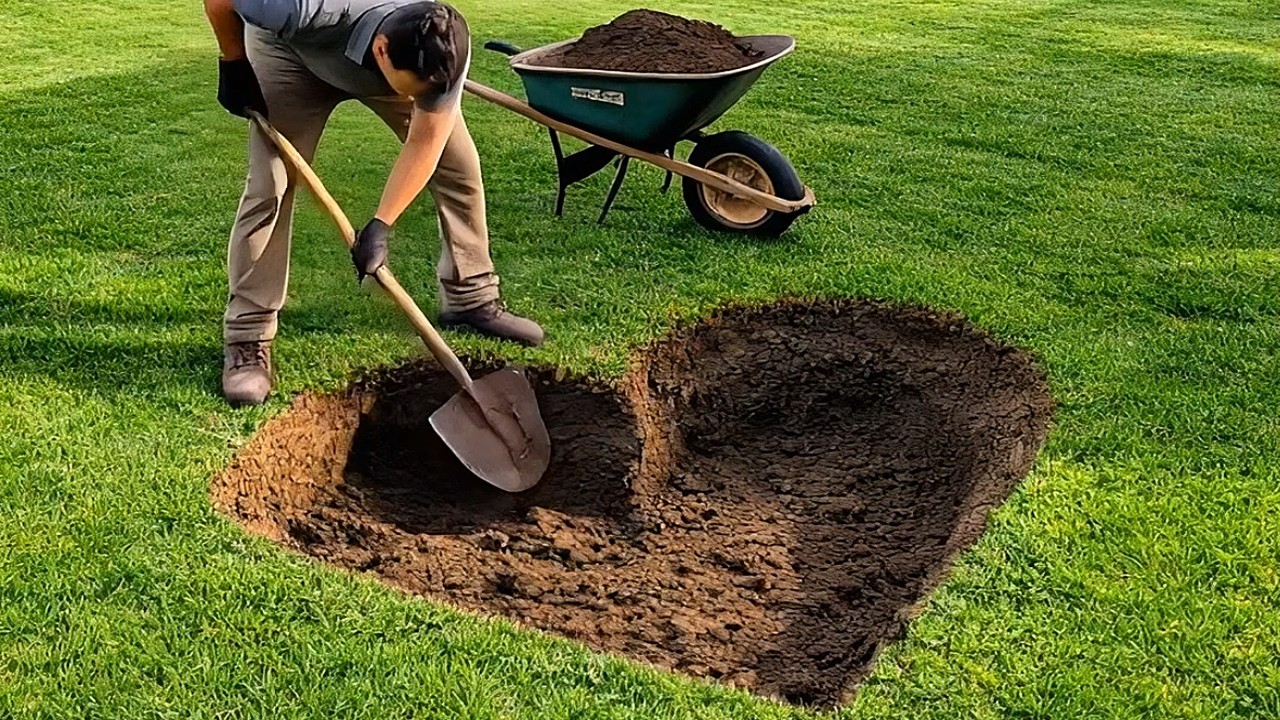
On a well run site, materials arrive in a sequence that keeps your driveway clear and your plants safe. Teams mark energies, set plywood for wheelbarrow routes, and safeguard corners and stucco before a shovel goes in. Excavation looks untidy for a day or two, then base product gets here and order returns. Compaction happens in lifts of 2 to 3 inches, not at one time. Screed rails set the bed linen layer to a real aircraft, then pavers go down rapidly, cuts follow, and edge restraints lock all of it. A light plate compactor with a pad seats pavers without scuffing. Polymeric sand sweeps in and gets misted to cure. The crew walks the edges with you, explains where water runs, and notes anything that requires a second look after the first rain.
Ridgeline Outdoor Living paver setup specialists follow that rhythm because it works. The very best paver contractor teams do too. It is the exact same for brick pavers, concrete pavers, and natural stone pavers, with the stone projects asking for more time on cuts and design. When a maintaining wall belongs to the task, we develop it initially, let backfill settle, then set the patio area airplane to the real completed heights.
A little case story from the San Rafael slope
A family in the San Rafael location desired a 450 square foot patio with space for a 6 person table and a lounge set. The backyard dropped 30 inches over 18 feet. We looked at a single big keeping wall, then chose 2 balconies, each with a 6 inch step, so furniture could sit flat without developing a high wall. The patio area field used a mid gray concrete paver with a soldier course of charcoal. A single 24 inch large strip drain dealt with the up slope runoff, routed to a French drain behind planting beds. A simple gas fire pit sat at the lower balcony, with low voltage lights tucked into action risers. The project took 9 working days with a five individual crew. 2 winter seasons and numerous atmospheric rivers later, the joints are tight, the drains run clear, and the owners sent out an image of kids making s'mores on a school night.
Problems we get contacted us to repair, and how to prevent them
Most repair calls share a pattern. The patio looks fine the first year, then a corner drops where a downspout discarded water. Or the polymeric sand washes out across the yard since the surface area has no cross slope. In a couple of cases, a maintaining wall tilts due to the fact that the specialist backfilled with native clay and no drain pipeline. None of these are secrets. They originate from skipping steps you can not see when you cut the ribbon.
You can avoid them with 3 practices. Ask the contractor to reveal base depth throughout the develop and snap a photo. Verify where water goes when it hits the patio. And invest the additional day condensing lifts and testing compaction with a plate tamper, even when the clock is ticking.
Maintenance that respects the products and climate
Patios do not request for much. Sweep or leaf blow carefully, wash when dirty, and keep plant debris from sitting wet on the surface. For interlocking pavers, refresh polymeric sand every 3 to 5 years if joints open up, and seal if you desire color depth or stain resistance. Brick pavers establish character; seal only if you prefer a constant tone. Natural stone requires a breathable sealer if you serve red white wine and espresso exterior. After huge storms, walk the edges and catch basins, clear leaves, and try to find early signs of settlement. If you see water standing after 24 hr, bring your specialist back before small dips become ankle twisters.
How to compare designs, not just prices
Two bids can vary by a 3rd and both be sincere. One may consist of eliminating tree roots and installing a root barrier. Another may specify a permeable base that secures a low area. The very best paver patio styles for Pasadena homes frequently match a restrained scheme with strong design, which takes style time. Ask each patio contractor to mark on a strategy where they alter slope, where they discharge water, and where they cut pavers to fit. Request a little on site mockup, even a 3 by 3 foot square, to confirm pattern and color. If a professional hesitates to draw or mock up, you will feel that gap during construction.
When retaining walls and patio areas satisfy permits
Permitting rules shift. As a general guide, low patio areas that do not connect to the house and sit near grade typically proceed without a structure permit. Retaining walls above specific heights, outside fireplaces with chimneys, gas lines, and electrical circuits bring the building department into the image. Pasadena personnel are professional and handy when you bring a clear strategy. A professional who handles submittals frequently can save you weeks. Ask who will meet the inspector, how revisions are tracked, and when evaluations take place, particularly if a wall or gas line will get covered.
Choosing a partner, then letting them work
Once you pick, let the crew phase, cut, and compact in peace. Stay involved at essential minutes. Stroll the design before excavation. Confirm ended up heights with a level and measuring tape when base is set. Authorize border colors in location, not in shade. Great teams appreciate decisive owners who show up at the right times and otherwise provide room to do their craft.
The right team will leave you with an outdoor patio that drains without drama, a sidewalk that guides your feet without believing, and a retaining wall that looks like it grew out of your garden. Whether you pick traditional brick pavers behind an artisan bungalow, a clean grid of concrete pavers for a mid century home, or a natural flagstone balcony dealing with an oak, the procedure matters as much as the surface. Ridgeline Outdoor Living has its way of doing things, and numerous great regional contractors share those requirements. Select one who can describe their options in plain language and point to patio areas still shining after a couple of Pasadena winter seasons. Then light the fire, pour a glass, and enjoy what you built.
Business Name: Ridgeline Outdoor Living
Address: 845 E Walnut St, Pasadena, CA 91101, United States
Phone: (626) 469-5822
Ridgeline Outdoor Living
Ridgeline Outdoor Living is a Pasadena-based landscape design-build company serving Greater Los Angeles with custom outdoor living, hardscape, and drought-tolerant landscape solutions. The company specializes in patios, retaining walls, outdoor kitchens, drainage, hillside projects, and turnkey landscape construction, handling projects from design and permitting through final build and warranty.
845 E Walnut St, Pasadena, CA 91101, USA
Business Hours:
- Monday – Saturday: 8:00 AM – 6:00 PM
- Sunday: Closed
Follow Us: