Rain in Pasadena is inconsistent, then abrupt. We can go months with nothing, then get hammered by back-to-back Pacific storms or a surprise climatic river that drops numerous inches in a weekend. Slopes shed water fast, older lots have tight setbacks, and numerous homes rest on expansive clay that swells and diminishes with each wet-dry cycle. When water is not choreographed, it finds its own course. That is how you end up with undermined patio areas, soggy yards, standing puddles at the side backyard, and hairline cracks that sneak into foundations.
Good hardscape design is not about brute force. It has to do with assisting water with function. The very best patio areas, paths, walls, and drive surface areas gather, sluggish, infiltrate, and release overflow in a manner that safeguards structures and landscapes. With thoughtful grading and the right products, hardscapes do more than look clean and modern-day. They prevent erosion, lower flooding, and make outdoor spaces functional during and after storms.
Why Pasadena's websites require cautious drainage
Most property projects in Pasadena have a couple of typical conditions. First, there is slope. Even "flat" areas typically fall a foot or more from one corner to another. Second, the soils differ. Lots of blocks have a clay or clay-loam profile that condenses hard in summertime and sheds water like a parking lot in winter. Others have spots of alluvial sand and cobble that percolate quickly however move fines throughout heavy flow. A 3rd element is the age of utilities and lot lines. Narrow side backyards and old downspout tie-ins constrain where water can go.
One season stands out as an instructor. After the 2022-- 23 rain sequence, I looked at three lawns in the foothills. In each case, a little patio pitched towards your home, and downspouts dumped straight onto paving. A single weekend of rain carried fines from the joints, developed localized ponding, and pressed wetness against slab edges. Nothing devastating, yet the signal was clear: the hardscape was moving water the incorrect way.
There is also sediment. Dry summers bake the surface area into a crust. When the first storm hits, that crust separate and carries silt throughout the backyard. If hardscapes do not have capture points, that silt fills drains within days, and the second storm has nowhere to go. An excellent system prepares for debris and gives it places to settle that are easy to maintain.
The function of hardscapes in a water-smart yard
Think of a home as a watershed in mini. Roofings, driveways, patios, and paths create overflow. Planting beds, yards, and open soil accept and filter it. Hardscapes sit at the user interface. They can make the water issue worse, or they can end up being the backbone of a sitewide drainage plan.
In Pasadena, reliable hardscape design ties together 4 functions. Collecting water off paved surface areas with the ideal pitch and inlets. Conveying it safely with channel drains pipes, trench drains pipes, slot drains pipes, or swales. Holding or dispersing peak circulation in gravel basins, dry wells, or structured soil zones. Penetrating water into native soils where percolation allows, or routing it to the street curb cut when it does not. The geometry of patios and sidewalks, the permeability of pavers, and the location of walls and steps all matter.
A paver patio area with a subtle cross slope sends out sheet circulation into an ornamental gravel border that doubles as a linear French drain. A driveway in permeable interlocking concrete pavers (PICP) over an open-graded base stores the very first inch of rain before anything overruns to a discreet curb drain. A seat wall at the toe of a slope is not truly a wall at all, however a low, enhanced retaining element with weep holes and a subdrain that eases hydrostatic pressure. None of this is exotic. It is simply building and construction that respects water.
Grading is the very first line of defense
The most gorgeous paver field or beautiful concrete pour will stop working if the grade sends water to the wrong place. That is why hardscape setup in Pasadena always starts with a grading plan, even on modest tasks. Transitions in between your home piece, the patio, the yard, and the side lawn require to be deliberate, with favorable drain away from the structure.
A few targets are reliable in our environment. For many patio areas and sidewalks, a slope between 1 percent and 2 percent works, approximately 1/8 to 1/4 inch of drop per foot. For long runs, like a driveway, 1.5 percent to 2 percent sheds water without feeling canted. Swales and vegetated channels operate finest with a gentle fall in the 1 percent to 3 percent variety, enough to move water but not so steep that circulation searches the surface area. Any point near your home that is flatter than half a percent welcomes ponding.
Good grading deals with thresholds and step-downs with care. I aim for at least 2 inches of vertical separation in between the finished patio area and the door threshold on older homes, more if the interior floor is low. Where that is difficult, a direct drain at the threshold offers a 2nd line of defense. Side lawns are another pinch point. On many Pasadena lots, you have five feet or less in between houses. In those corridors, a narrow strip of permeable paving over a French drain can collect flow from your home side and from the next-door neighbor's fence line without raising grades against the stucco.
Permeable versus traditional paving
There is no single right response for every backyard. The soil, the visual, the spending plan, and the usage pattern drive the option. Still, the distinction in between permeable pavers and conventional hardscapes is meaningful.
Permeable interlocking concrete pavers sit on an open-graded aggregate base, not on compacted fines. Water drops through the joints into a storage layer, then infiltrates into the native soil or exits via an underdrain. On clay soils with slow percolation, you can still use permeable pavers by setting up an underdrain that daylight to a safe discharge point. The benefit is decreased surface circulation and less glare. The tradeoff is a greater product and setup cost, plus watchful joint upkeep to keep seepage rates up.
Traditional pavers or put concrete shed water off the surface area. They are robust and often less expensive. The drain must be dealt with at the edges with gravel strips, swales, or channel drains. If you or your patio area contractor in Pasadena prepare for that from the start, these surfaces carry out well, specifically when paired with permeable bands or drain inlets at strategic points. A typical mistake is to set a big monolithic pad without perimeter capture. That is when water accelerates and cuts rills in the adjacent planting beds.
Natural stone behaves like traditional paving and requires the same edge techniques. Large joints, minor texture, and thoughtful seams can slow water across the face of the stone, but it still depends on border drainage.
Here is a fast way I talk about options with customers who call a hardscape company in Pasadena for guidance.
- Choose permeable pavers when you need stormwater storage under the surface area, desire eligibility for specific local stormwater credits, or have long flat runs that otherwise would shed a lot of sheet flow. Choose conventional pavers when you want modular versatility, simple repair work, and a classic look, and you can integrate in edge drains and gravel borders to manage runoff. Choose concrete when you require a continuous surface area for wheeled gain access to or a clean, modern-day slab, and you are all set to purchase exact pitch and discrete trench drains. Choose natural stone when character and tactile feel are concerns, and you are prepared to match it with permeable joints or adjacent seepage zones. Choose synthetic grass for play or pet locations where genuine turf stays soggy, and you are all right with a layered base and subsurface drains to carry water away.
The quiet workhorses: drains pipes, swales, and gravel details
Hardscapes avoid disintegration less by obstructing circulation and more by slowing and distributing it. Small elements do a lot of the work. A shallow swale cut in decayed granite, with a turf-reinforcing grid under the surface, can deal with surprising volumes while remaining practically unnoticeable. A 4 inch perforated pipe in a French drain covered in filter fabric, set 18 to 24 inches deep with 1 percent fall, will intercept subsurface water long before it reaches the piece. Slot drains pipes set along a garage apron do not mar the look of a driveway and pick up the very first sheet of water that wants to cross into the garage.
Gravel borders should have more regard than they get. A 12 to 24 inch strip of angular 3/8 inch to 3/4 inch rock at the edge of a patio can get sheet circulation quietly, break the energy of the water, and feed it into a perforated pipeline. Numerous paver specialist teams in Pasadena build those strips as a style function. Pair them with low plantings that endure short wet feet, like Juncus or particular sedges, and you have a functional, attractive edge.
Dry wells and seepage galleries are useful where soils percolate at a moderate rate. A general rule is to size storage to capture the very first inch of rain off contributing hardscape, then drain that volume within 48 to 72 hours. On tight clay websites, overbuild the overflow course. That might indicate a raised trench drain that ideas to the street or an armored swale that steps down the side yard. A drainage specialist in Pasadena will typically check percolation before devoting to a big infiltration structure, and will add an underdrain as a security valve.
Retaining walls that alleviate, not trap, water
Retaining walls alter how hillsides move water. Done right, they create terraces that spread out and penetrate shallow flow. Done incorrect, they direct water to the face of the wall and trap pressure behind it. If you prepare a wall higher than about 4 feet, anticipate an engineered style. That is not administration for its own sake. A taller wall needs a structural grid or deepened footing, a perforated drain behind the base, easily draining pipes backfill, and weep holes. I like to see at least 12 inches of 3/4 inch crushed rock straight behind the wall, wrapped with filter fabric to prevent fines from moving into the rock. The subdrain must daytime at both ends if possible, or tie to a drop inlet that brings water away.
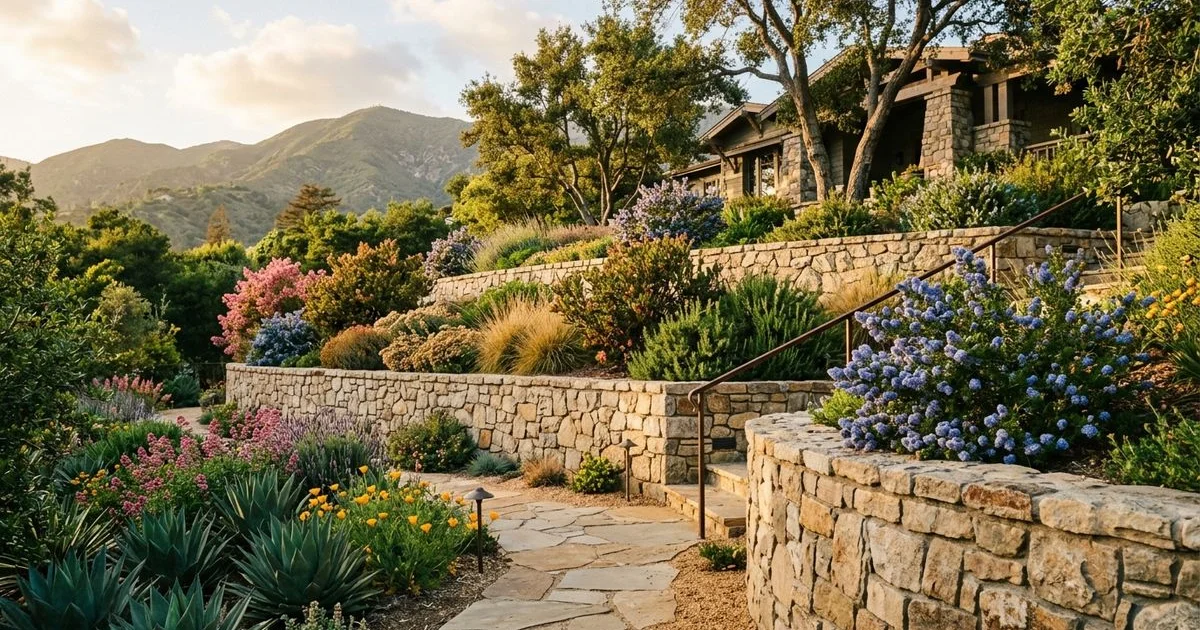
Terraces assist, even on modest slopes. 2 low walls, each 24 to 30 inches high, are often more affordable and more secure than a single 5 foot wall, and they create flat areas for seating or planting. A maintaining wall home builder in Pasadena will often propose integrated steps that work as mini dams throughout storms, letting water step down without acquiring speed.
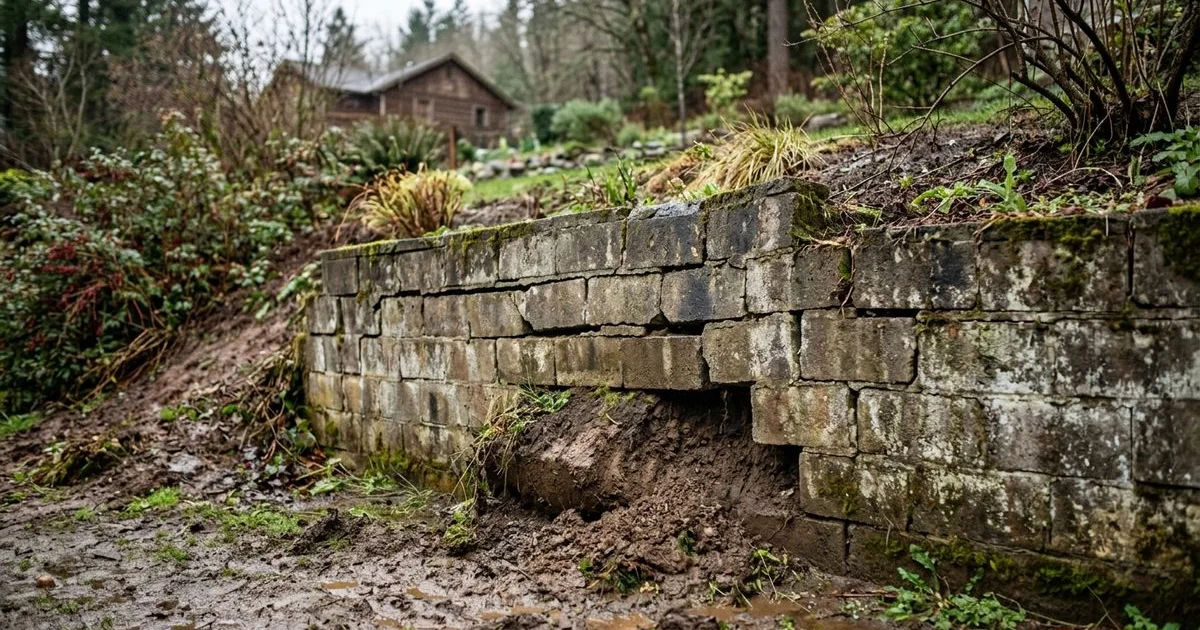
In older gardens, I have actually seen brick or landscape wood walls bow and fail after a single damp winter. Normally, there was no drain pipeline and no gravel backfill. If you are updating your yard landscaping in Pasadena and see staining or wetness on the face of a wall after storms, that is an indication that water is caught. Include a surface swale above, retrofit a core-drilled weep hole with a pipe sleeve and gravel pocket, or plan a replacement with correct drainage.
Patios that shed water gracefully
Clients often think about outdoor patio design as picking shapes and products. Drain choices matter just as much. A tidy outdoor patio should feel dry underfoot within hours of a storm. That means a purposeful pitch, transitions that do not pond, and inlets where area gets tight.
For outdoor patio construction in Pasadena, I prevent large uninterrupted pieces sloping throughout long distances. Rather, I break areas into planes with slight opposing pitches that feed a discrete channel drain. On paver patio areas, I orient the pattern so joint lines run with the slope, which helps bring water. Within yards that are hemmed by walls, a main slot drain can be both practical and minimal. In little side lawns, a raised deck over a drain field often fixes grade disputes without regrading around the foundation.
If the outdoor patio meets artificial grass, make sure the turf system consists of a well-graded aggregate base, not just sand, and a method to record water at the edge. Artificial turf setup in Pasadena that skips the subdrain frequently creates a slow-moving bog under the turf after a storm. With an easy perforated pipeline along the low side, synthetic turf sheds water quickly and stays usable.
Tying hardscapes to a dry spell tolerant planting plan
Water management sits at the heart of water sensible landscaping. In dry months, we conserve. Throughout storms, we save or slow. A dry spell tolerant garden in Pasadena is not a rock field with a couple of agaves. It is a layered set of plants that thrive with deep, irregular watering and accept occasional stormwater pulses.
I like to combine difficult edges with bio-receptive edges. Where a patio area fulfills a bed, the bed gets a minor anxiety to get circulation. 10 square feet of rain garden can comfortably accept overflow from 50 to 100 square feet of surrounding paving if the soil infiltrates moderately. On tight soils, break the circulation into a number of small sink locations instead of one big basin. Xeriscape landscaping in Pasadena often take advantage of amended planting pockets placed where downspouts release into a rocky swale. The plants handle the additional water in winter, and the mulch and rock slow evaporation in summer.
Permeable paths end up being filters when they cross beds. Decayed granite on a supported base, with a subgrade rolled to a 1 to 2 percent cross slope, lets incidental circulation bleed off instead of concentrate. A couple of accent stones put in the downslope bed function as splash blocks, keeping fines from moving onto the course. These are the kinds of small choices that separate a tidy, resistant garden from one that fights itself.
Working within Pasadena's restrictions and opportunities
Los Angeles County and Pasadena encourage on-site stormwater management. On bigger remodels, you may be asked to demonstrate how you capture a design storm, generally the very first flush. Even when not needed, it pays to treat your property as its own stormwater strategy. That does not suggest giant tanks. Most single-family lots can manage their runoff with a mix of permeable paving, swales, and a couple of tactical inlets connected to the curb with an approved connection.
Older neighborhoods provide their own puzzles. Walkways flare, drive aprons dip, and the front yard in some cases sits listed below the street. That is where a curb cut or walkway underdrain, done legally, can be a backstop. In the front backyard, low walls and parkway plantings can diffuse and utilize the water that as soon as shot straight to the gutter. Front lawn landscaping in Pasadena often needs to balance beauty with function. An easy parkway swale planted with drought-hardy lawns does more for flood control than a strong strip of concrete ever could.
Retrofitting existing backyards without tearing whatever out
Not every residential or commercial property requires a complete reconstruct. A number of the most effective drainage upgrades suit small interventions that a hardscape contractor in Pasadena can complete in phases.
A couple of examples from recent years. On a 1920s cottage near Orange Grove, we set up 2 slot drains at back entrances, a 12 inch gravel border around a concrete patio, and a French drain along the low fence line. The work took four days and ended years of puddles by the threshold. In the Linda Vista area, a paver patio had actually heaved after a damp winter season. We reset the base with open-graded aggregate, included a perforated underdrain, and changed tight joints with a permeable infill. The exact same materials, built to move water, now ride out storms.
On a compact lot off Hill Opportunity, we flanked a side backyard with a direct rain garden and moved 2 downspouts into it through a decorative scupper. We likewise cut two notches in the existing curb to make legal curb drains pipes and included a small check dam in the swale to slow flow. The owner kept her mature citrus and acquired a lawn that drains.
A brief upkeep rhythm that secures your investment
Hardscape and drainage systems work best with small, routine care. Avoiding a season or 2 welcomes failure at the worst time.
- Before the first big fall storm, vacuum or blow particles from paver joints and clear leaves from channel drains and suppress cuts. After any storm that drops more than an inch, lift drain grates and dig silt from catch basins, then flush with a garden hose. Twice a year, check gravel borders for silt crusting and rake to revitalize the surface; top up angular rock as needed. Each spring, inspect keeping wall weep holes after watering; they should not weep constantly, which can signal a clogged up subdrain. Every 2 to 3 years, re-sand or re-infill permeable paver joints with the specified aggregate to preserve infiltration.
Budget, phasing, and reasonable expectations
Numbers help with preparation. Expenses vary with access, material option, and the scope of excavation, so believe in varieties. Permeable paver patio areas in Pasadena typically land above traditional pavers since of the thicker, open-graded base and drainage tie-ins. Keeping https://maps.app.goo.gl/tXxSE8cJVrVwWziU7 wall installation in Pasadena can vary extensively. A short, gravity block wall with proper gravel backfill and a drain might be a straightforward line product. A taller, crafted wall with geogrid, complex curves, and a fence on top is a bigger financial investment. Trench or slot drains include expense per linear foot however typically conserve money by preventing larger regrades.
Phasing is clever. Start at your home and exercise. Guarantee limits, downspouts, and the immediate border shed water correctly. Next, deal with side-yard conveyance and any areas where your yard sends water to the next-door neighbor or vice versa. Last, fine-tune outdoor patio surface areas, planting anxieties, and ornamental features. If you are talking to a hardscape company in Pasadena, ask how they would phase the work if you picked to integrate in 2 stages. The best landscape contractor in Pasadena will have a clear, rational sequence that leaves the lawn functional after each phase.
Integrating lifestyle objectives with storm performance
Drainage needs to not dictate a backyard that looks like a civil job. Succeeded, it disappears into the style. Outdoor home in Pasadena see genuine use the majority of the year. A covered paver patio area with a barbecuing station, a narrow run of permeable pavers to a detached garage, and a low seat wall that edges a drought tolerant garden can appear like pure way of life upgrades. In a hard rain, those same components manage water elegantly.
If you seek high-end outside living in Pasadena, the materials and information get more refined, however the drainage logic holds. Large-format porcelain pavers can drift on pedestals over a sloped waterproofed deck, feeding a concealed rain gutter. A custom-made steel slot drain can run under a limestone step. Water features can function as capture basins with bypass overflows. High-end landscape style in Pasadena, when it is truthful, invests as much in what you do not view as in the surfaces you do.
Choosing partners who develop with water in mind
Credentials matter less than routines on website. When you consult with a patio contractor in Pasadena or a paver professional in Pasadena, ask to see base areas, not just end up photos. Do they define open-graded base where required, or only compacted fines? Do they measure slopes and reveal where water goes? A great outdoor living contractor in Pasadena constructs mockups of key shifts and tests circulation with a hose before setting the final course.
Companies that see the lawn as a system tend to deliver the best outcomes. If you talk with Ridgeline Outdoor Living about patio area design in Pasadena, or about outside living design in Pasadena more broadly, you will likely hear as much about subgrades and drain tie-ins as about stone and lighting. That is the best ratio. Whether you select Ridgeline Outdoor Living or another firm, look for that mindset.
Garden design in Pasadena ought to not stand apart from drain. Garden landscaping in Pasadena that incorporates plant choice with swales and gravel pockets lasts longer and expenses less to keep. In front lawn landscaping in Pasadena, thoughtful grading and well-placed inlets secure pathways and keep your curb appeal intact throughout storms.
A final word on balance
Every site asks for a various recipe. If you overbuild difficult surfaces without capture, you produce fast water and erosion. If you go after pure permeability without acknowledging sluggish native soils, you produce saturation and settlement. The art beings in the balance. Hardscapes that prevent disintegration and flooding do so by forming water, not by combating it. They pitch simply enough, they gather where needed, and they hand water off to soils and plantings that can use it.
On a Pasadena lot, that might look like a paver patio with 1.5 percent fall to a gravel edge, a shallow swale that delivers roof overflow into a planted basin, a set of low keeping walls with subdrains and weep holes, and a driveway that either infiltrates listed below or drains pipes easily to an authorized curb connection. Layer in synthetic grass in the shade where natural grass stays damp, connect your downspouts to a filtered inlet instead of sprinkling onto paving, and keep outlets clear. None of these moves are significant. Together, they are the distinction between a yard that copes storms and one that carries on without fuss.
If you approach hardscape setup in Pasadena with that intent, the outcomes are trusted. Your patio will dry rapidly after a cloudburst. Your walls will stand true. Your garden will accept winter season water without plunging. And the next time you hear heavy rain on the roof at night, you will sleep through it, positive that outside, everything streams where it should.
Business Name: Ridgeline Outdoor Living
Address: 845 E Walnut St, Pasadena, CA 91101, United States
Phone: (626) 469-5822
Ridgeline Outdoor Living
Ridgeline Outdoor Living is a Pasadena-based landscape design-build company serving Greater Los Angeles with custom outdoor living, hardscape, and drought-tolerant landscape solutions. The company specializes in patios, retaining walls, outdoor kitchens, drainage, hillside projects, and turnkey landscape construction, handling projects from design and permitting through final build and warranty.
845 E Walnut St, Pasadena, CA 91101, USA
Business Hours:
- Monday – Saturday: 8:00 AM – 6:00 PM
- Sunday: Closed
Follow Us: