Pasadena's hills, faulted bedrock, clay pockets, and abrupt cloudbursts develop an easy truth for homeowners: gravity always wins unless you build with it. Retaining walls are not only about holding back soil, they handle water, stabilize slopes, produce flat area for patio areas and gardens, and secure foundations. The option in between manufactured block and natural stone shapes how the wall carries out, for how long it lasts, landscaping guidelines how it looks, and how much it costs in our environment. After building and rebuilding walls throughout the San Gabriel Valley, I've discovered that the best decision respects soil, water, and usage, long before anyone chooses a color.
How a retaining wall really works here
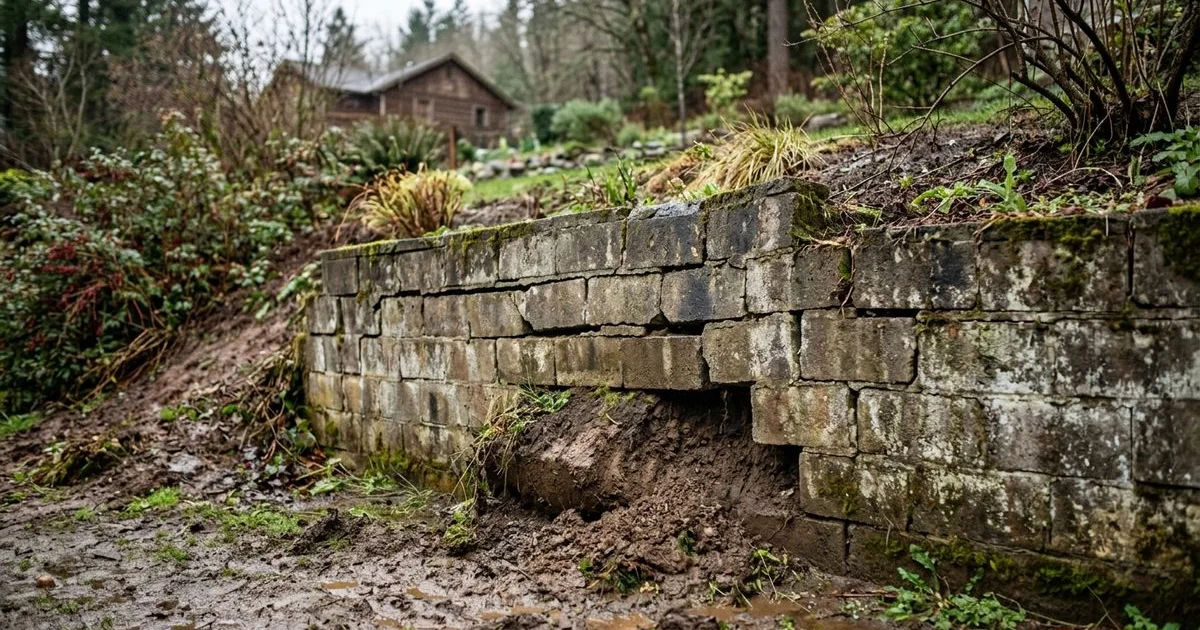
Two elements decide success: the force of soil wishing to move downhill, and the way water includes weight and pressure. In Pasadena, winter storms can dump inches overnight. If water gets trapped behind a wall, pressure rises and failure follows. So the structure should do three tasks simultaneously: resist lateral load, alleviate water pressure, and remain anchored in compacted, well-draining backfill.
There are several common types. Gravity walls depend on mass, either big blocks or thick stone, to stand firm. Strengthened soil systems use geogrid layers that interlock with modular blocks to produce a kind of composite earth structure, strong yet flexible. Mortared masonry, typically cinder block with steel and grout, transfers loads into a footing resembling a little beam. Dry stack natural stone walls, when effectively constructed with generous drainage stone and a battered face, can last for decades, especially for moderate heights.
Which type fits your yard? Take a look at height, additional charge (automobiles, slopes, or structures pressing on the wall), soil type, drainage paths, and access for devices. A wall that holds a driveway is a various animal from a knee-high garden terrace.
Manufactured block walls, from the ground up
"Block" can suggest two different systems. Concrete masonry unit (CMU) walls are hollow concrete blocks, frequently enhanced with rebar and filled with grout. Segmental keeping wall systems (SRW) are strong or thick-faced modular blocks with interlocking lips or pins, stacked without mortar, and generally reinforced with geogrid in the backfill.
SRW obstructs made their location in Pasadena for a couple of reasons. They are engineered for repeatable performance, they manage little seismic motions without splitting, and they increase quickly with constant outcomes. For heights approximately about 3 to 4 feet with no surcharge, many SRW walls require just a proper crushed-rock base, drain, and compacted backfill. Beyond that, the design generally adds geogrid layers that reach back into the slope, typically 0.6 to 1.0 times the wall height depending on soil and loading. When engineered and constructed right, it feels nearly unreasonable just how much pressure these walls handle.
CMU walls have their own specific niche. They excel where a slim footprint is required, where a smooth plaster or stone veneer is preferred, or where building officials require a conventional enhanced system due to height or surcharge. They do need a formed and reinforced concrete footing, which indicates more excavation and inspection, however they provide a monolithic structure that sets well with architectural finishes.
On expenses, local conditions matter more than national averages. As a working range in Pasadena:
- A 3 to 4 foot high SRW wall with great gain access to, no additional charge, and straightforward drainage generally lands in the 45 to 75 dollars per square foot variety for the wall face area. Add intricacy like tight gain access to, curves, stairs, or geogrid and the range can run 70 to 120 dollars. A comparable-height strengthened CMU wall with a plaster or stone veneer often falls in between 90 and 160 dollars per square foot due to footing, steel, grout, and finish work.
Aesthetically, produced block has improved. You can find split-face textures, toppled appearances, blended colors, and cap stones that read less "commercial" and more "garden." In backyard landscaping Pasadena projects where the wall fades behind shrubs, lighting, and a paver outdoor patio, the block texture typically vanishes into the structure. When you desire the wall to act as a tidy background for luxury outdoor living Pasadena spaces, a CMU wall with smooth stucco or stone veneer can feel refined without shouting.
Natural stone walls, developed as craft and geology
Natural stone fits Pasadena like brick fits Boston. San Gabriel Valley homes, specifically around older areas, wear river rock and granite with ease. A dry stack stone wall, set on a compacted aggregate base with the face damaged slightly back and the core filled with drain rock, is both structure and sculpture. When the stone is thoroughly broken and chocked to avoid wobble, these walls last. In little earthquakes, they settle and reseat themselves. In downpours, water slips through the core to a perforated drain and exits by a solid pipeline, instead of developing pressure.
Mortared stone walls have to do with a different look, a crisp joint, and often a thinner profile. They need a strengthened concrete footing. Where homeowners desire a standard rock garden terrace or a historic appearance near craftsman architecture, this approach strikes the mark.
Craft drives expense. A neat 2 to 3 foot dry stack wall in regional fieldstone might be 80 to 140 dollars per square foot depending on gain access to and stone choice. Larger ledgestone or precision ashlar patterns pattern greater. Mortared stone with a footing typically ranges 120 to 200 dollars per square foot, more when curves, actions, or custom caps go into the story.
The catch with natural stone is engineering for height. A pure gravity wall eats depth rapidly and might require big, heavy stones. Dry stack walls above about 3 to 4 feet, particularly with additional charge, call for specific style, drainage, and sometimes geogrid or concealed concrete returns. The love of stone needs to meet mathematics, especially with Pasadena's hillside ordinances and soils that vary from decomposed granite to thick clay.
Side-by-side at a glance
|Attribute|Produced Block (SRW/CMU)|Natural Stone (Dry Stack/Mortared)||-- |-- |--|| Structural approach|Modular systems with interlock and optional geogrid, or strengthened CMU with footing|Gravity and batter with drain core, or enhanced stone veneer on concrete|| Finest height variety|2 to 10 feet with engineering; taller with staged geogrid zones|2 to 4 feet for dry stack without support; taller requirements cautious style|| Seismic habits|SRW handles motion without splitting; CMU depends on support|Dry stack is flexible and drains easily; mortared stone counts on footing|| Timeline|Faster install once base is prepped; predictable|Slower due to stone choice and shaping; craftsmen driven|| Look and feel|Clean lines, constant textures, simple to match on additions|Organic, rooted to place, couple with drought tolerant garden Pasadena plantings|
Pasadena restrictions that alter the calculus
Local code and terrain shape what is useful. In much of California, any wall over 4 feet determined from bottom of footing to top of wall generally needs a permitted, engineered design. Add a driveway, pool, or slope near the leading and you add surcharge that typically activates engineering even when the face height is lower. Pasadena planning is attentive to hillside safety, drainage to the street, and residential or commercial property line setbacks. Corner lots near storm drains may require particular outlet information or capture basins to prevent flooding a neighbor.
Soils vary street by street. I have cut through grainy decayed granite on one residential or commercial property and hit dense, damp clay on the next. Clay holds water and expands, so the drain layer and outlet end up being non-negotiable. Where we come across fill from earlier grading, we typically overexcavate and recompact to make sure the wall bears upon uniform soil. If oak trees are present, anticipate root security zones and routing for drain that avoids major roots.
Access pumps up budgets. In older Pasadena areas with narrow side yards and fragile gardens, a job that takes one skid steer and 2 days in the open can become a week of hand digging and little load shipments. Your hardscape builder Pasadena will account for that in staging and pricing.
Drainage is destiny
No wall endures a trapped head of water. A dependable construct around here has a few common information: a compacted base layer of 3 to 6 inches of Class II roadway base or 3/4 inch crushed rock depending on system, a perforated pipe at the heel of the wall sloping to daylight or to a legal discharge, at least 12 inches of clean drain gravel behind the wall covered with a rigid or nonwoven filter to prevent fines migration, and compacted, free-draining backfill in lifts. On CMU or mortared stone, plan weep holes or pipe outlets. On SRW, include a heel drain and sometimes a secondary drain at mid-height for high walls.
Tie that drainage into the larger photo. If you have water sheeting off a driveway above, incorporate a trench drain and path it past the wall. A certified drainage contractor Pasadena will look beyond the wall to capture roofing leaders, grade swales, and landscape drainage Pasadena enhancements so the wall is not the first and only line of defense. It is common to include catch basins with solid pipeline to the curb where enabled, or a dry well if soils percolate and code permits.
Design that makes its keep
A maintaining wall is better if it fixes 2 or three problems simultaneously. A modest 30-inch terrace along the back fence can level ground for a paver patio Pasadena families can really utilize, with a narrow planter at the top for rosemary, dwarf olives, and vibrant succulents that fit water wise landscaping Pasadena Ridgeline Outdoor Living frequently recommends. Integrate low-voltage lights under a cap to make evening stairs safe. Where area is tight, develop seat walls with wider caps so the structure doubles as casual seating for outdoor living spaces Pasadena house owners enjoy.
Block walls accept veneers well. If the clean modular look feels too stark next to an artisan cottage, think about a thin quarry stone face or a smooth stucco coat to warm the elevation. Natural stone pairs magnificently with xeriscape landscaping Pasadena styles. Bold boulders at the toes and tucked into terraces pull the whole garden into the San Gabriel foothill palette.
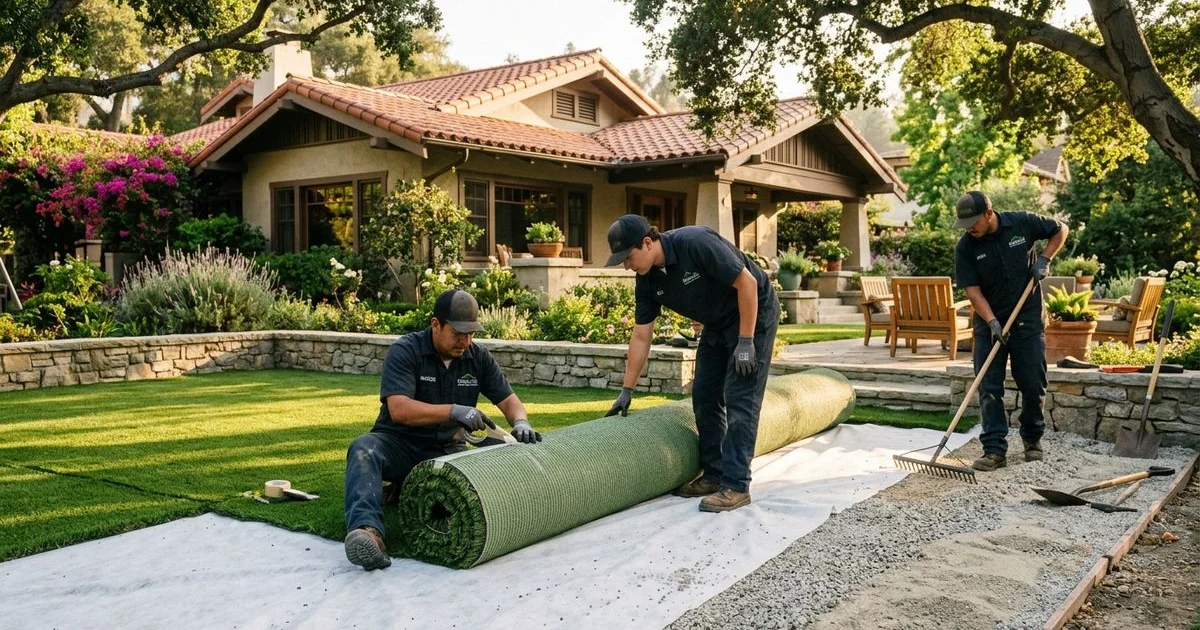
Artificial turf installation Pasadena occasionally sits atop terraces. If synthetic turf Pasadena yards become part of the strategy, make sure the subgrade drains pipes, add slot drains where required, and prepare the wall caps to shed or collect water smartly so the turf base stays dry. That is part of full-scope hardscape design Pasadena groups are used to coordinating.
Two real-world situations and costs
A compact SRW garden balcony in northeast Pasadena: 52 feet long, typical 3 feet high, one gentle inside curve, basic cap, 2 4 action shifts, decent side backyard access. Soil was granular with some clay joints. We installed a level base, used a heel drain connected to daylight at the corner, and backfilled with 3/4 inch crushed rock and filter material. No additional charge. Overall timeline: 6 working days with a three-person team. Installed cost fell near 56 dollars per face square foot.
A dry stack stone seat wall in Madison Heights: 28 feet long, 24 inches tall, battered face using regional fieldstone, cap stones set as seats, planter behind for roses and salvias. Tight access required hand bring for a lot of products. French drain behind the wall connected into an existing yard drainage Pasadena line that outlets to the curb. With artisan labor and cautious stone selection, the final cost was approximately 125 dollars per square foot. The wall appears like it has existed a century, which was the brief.
Every task sits somewhere on that spectrum, and the variables are predictable: access, height, surcharge, soil, drainage path, finish, and complexity.
When block is the smarter play, and when stone wins
Use a quick choice lens based upon function, site, and taste.
- Choose produced block if you need foreseeable engineering for 4 to 10 feet, desire speed and budget control, or plan to veneer or stucco for a clean architectural finish. Choose natural stone if the wall is 2 to 4 feet, the garden style leans native or home, and you worth organic textures that soften with age. On slopes with variable soils and regular storms, SRW with geogrid offers flexible performance and simple maintenance. In front yard landscaping Pasadena where curb appeal is king, a mortared stone or veneered CMU wall can align with your house architecture in such a way block textures sometimes cannot. For terraces supporting a patio construction Pasadena job or vehicle loads, lean toward crafted SRW or reinforced CMU, even if the noticeable face gets a stone veneer later.
Building it right, from study to caps
Start with a survey or a minimum of validated property lines if the wall sits near a border. Absolutely nothing sours a task like restoring a lovely wall a foot inside the next-door neighbor's land. Require utility locates. On hillsides, consider a soils report if you suspect expansive clay or old fill; a few core samples can save heartache.
Excavation sets the tone. A tidy trench to undisturbed native, or to appropriately compacted subgrade if you're replacing a failed wall, makes or breaks the job. For SRW, we set a crushed-rock leveling pad, not sand. First course is everything: two or 3 mallet taps to inspect seating, a long level every few blocks, string lines that never lie. Geogrid layers set up flat and tensioned, with the specified embedment into compacted backfill. We compact in thin lifts with a plate compactor for little walls and a leaping jack or roller where space permits. Wetness content matters, especially with clay; a little wet soils compact much better and lock in.
For CMU or mortared stone, we form and pour a footing listed below frost depth, large enough for anticipated bearing, with steel sized per engineering. We put vertical dowels to connect the wall. Grouting cells and curing are not rushed. Stone deals with set with full-bed mortar, no dabs, and weep paths remain clear.
Drainage runs as we develop: perforated pipeline wrapped in sock or surrounded by washed drain rock and material, with strong runs to daytime. At outlets, we secure embankments with splash pads or riprap to stop erosion. We prevent sending water to next-door neighbors, a simple method to create new problems.
Caps and surfaces come last. On SRW, we utilize adhesive suited for UV and heat. On stone, we set caps in mortar and tool joints tight. Lighting channels and irrigation sleeves enter before backfill reaches the top.
Maintenance and lifespan
A well-built SRW or CMU wall has a service life determined in years. Dry stack stone can last a life time if the drainage never ever blocks. Seasonal checks go a long way: clear outlet pipelines after huge storms, eliminate leaf mats behind plantings, expect settlement dips above the wall that might direct water inward. Efflorescence on block or stone can appear in the very first year as the wall dries; mild cleansing and time usually solve it. Sealants on stucco or stone veneers help handle staining under irrigated planters.
After earthquakes, stroll the wall. Try to find bulges, open joints, or displaced caps. A lot of SRW systems tolerate small movements and can be spot adjusted. Mortared work may split and need patching. Catch small https://maps.app.goo.gl/zcS1fhjSofUvMGWPA issues early and you prevent big ones.
Integrating with patios, steps, and gardens
Retaining walls frequently frame patio design Pasadena Ridgeline Outdoor Living tasks where grade modifications end up being features. A short wall can define a paver patio area edge and serve as a back-rest for a built-in bench. Stairways set into a wall need strong side returns and excellent lighting. If a paver contractor Pasadena is building a paver patio Pasadena property owners will utilize daily, coordinate subgrades so the patio area base and wall backfill interact, not versus each other.
Planting style matters. With garden design Pasadena customers who desire color but low water, we lean on salvias, penstemons, manzanita, and grasses. In garden landscaping Pasadena where stone is the star, we pull in Silver Carpet dymondia in between flagstones and drip irrigation under mulch to keep water off the face. For a drought tolerant garden Pasadena appearance, go for layered textures, including boulders that link aesthetically to a natural stone wall.
Permits, neighbors, and timing
Expect allows for the majority of walls over 4 feet or any wall supporting a driveway or structure. Prepare for 2 to 6 weeks for engineering and approvals depending on season and complexity. If access is tight or the wall touches a shared limit, speak with the next-door neighbor early. Good fences make great next-door neighbors, but good drainage makes better ones.
Build timelines vary from 3 days for a small SRW terrace to a number of weeks for a longer stone wall with stairs, lighting, and drain tie-ins. Weather condition windows matter. We attempt not to open slopes before rain, and we stage tarps and sandbags when the forecast wobbles. That discipline belongs to being an accountable hardscape company Pasadena citizens trust.
Questions to ask your contractor before you start
- How will you handle drainage from behind the wall and from the locations above it, and where will water legally discharge? What compaction requirement will you utilize for the backfill, and how will you confirm it in the field? If geogrid is defined, what lengths and elevations are prepared relative to wall height and soil type? For stone, is the plan dry stack or mortared, and how will you handle movement and weep paths over time? What is the access strategy, and how does restricted gain access to modification expense, timeline, or material choices?
A skilled retaining wall builder Pasadena will have particular answers, not generalities. They will likewise be comfortable coordinating with a drainage contractor Pasadena, a patio contractor Pasadena, or an outdoor living contractor Pasadena Ridgeline Outdoor Living design team when the job covers structures, paving, and planting.
The bottom line for Pasadena properties
Pick the system that respects your slope, soil, and water. Produced block, whether SRW or reinforced CMU, shines for predictable efficiency, speed, and budget plan control, particularly for taller walls or those bring outdoor patios, parking, or heavy planters. Natural stone pays you back in character and a sense of belonging, especially in front yard landscaping Pasadena tasks or gardens that lean native and low water. In either case, the success of retaining wall installation Pasadena tasks rides on foundations, drain, and craft, not on the face product alone.
Tie the wall into a whole-yard plan. If you are preparing outdoor living design Pasadena aspects like seat walls, steps, planters, and lighting, construct them as one integrated system. If artificial grass Pasadena becomes part of the mix, coordinate grades so runoff has a tidy course. For water wise landscaping Pasadena Ridgeline Outdoor Living level results, integrate the best wall, clever drainage, and plants that prosper on less.
With the right style and crew, you get more than a wall. You gain level ground, much safer paths, and a garden that weathers storms without drama. That is how the very best landscape contractor Pasadena prospects determine success: a yard that looks right, drains right, and holds its ground year after year.
Business Name: Ridgeline Outdoor Living
Address: 845 E Walnut St, Pasadena, CA 91101, United States
Phone: (626) 469-5822
Ridgeline Outdoor Living
Ridgeline Outdoor Living is a Pasadena-based landscape design-build company serving Greater Los Angeles with custom outdoor living, hardscape, and drought-tolerant landscape solutions. The company specializes in patios, retaining walls, outdoor kitchens, drainage, hillside projects, and turnkey landscape construction, handling projects from design and permitting through final build and warranty.
845 E Walnut St, Pasadena, CA 91101, USA
Business Hours:
- Monday – Saturday: 8:00 AM – 6:00 PM
- Sunday: Closed
Follow Us: