Hardscape work changes how a property feels and works. A well created patio area can pull you outside every evening. A poorly built keeping wall can move after one damp winter. In Pasadena, where clay soils, hillside lots, and water restrictions all come into play, the difference in between a good hardscape contractor and a terrific one appears quickly. This guide walks through how to evaluate contractors, what technical standards to expect, and how to line up style with Pasadena's climate and codes.
What counts as hardscape in Pasadena
Hardscape covers the constructed, non-plant parts of a landscape: outdoor patios, pathways, swimming pool decks, outdoor kitchen areas, driveways, seat walls, steps, fire functions, retaining walls, fences, pergolas, and incorporated drain. A strong hardscape design in Pasadena frequently connects directly into water wise landscaping, drought tolerant garden designs, and xeriscape landscaping. The very best outside home in Pasadena set stone or pavers with garden style that endures August heat, satisfies local watering guidelines, and benefits from the light.
You will see a variety of experts: a paver specialist for a paver patio in Pasadena, a maintaining wall contractor for steep lawns near the foothills, a drainage professional for older homes with flat lots, or a full outside living specialist in Pasadena that deals with design through build. Some firms run as a total hardscape business in Pasadena. Others focus on particular services such as artificial turf setup, pool coping, or landscape drainage.
Why choosing ideal matters here
Pasadena has a couple of constant site conditions that form excellent practice:
- Soil shifts with wetness, especially the clay pockets typical on older lots. Patios that avoid proper base preparation pop within a year. Slopes require mindful grading and frequently some type of maintaining wall setup. Even low planters need drain and backfill information right. Summer heat is intense. Product option affects surface area temperature level. Synthetic grass in Pasadena needs the right infill and shading strategy or it turns too hot at midday. Winter rains can be intense, though short. If your hardscape installation in Pasadena traps water, you will get heaving, staining, and in severe cases, settlement. Permitting for walls and structural features is rigorous. Retaining walls over 4 feet measured from the bottom of footing to top of wall usually need engineering and authorizations. Constantly confirm precise thresholds with the city.
If a professional comprehends these truths, they will talk about compaction numbers, subgrade stabilization, drain paths, and realistic maintenance. If they do not, keep interviewing.
The anatomy of a durable patio area or walkway
When I examine patio area building in Pasadena, I look at a couple of non-negotiables. These use whether you are using concrete, natural stone, or interlocking pavers.
Base preparation. For pedestrian paver areas, a common area utilizes 4 to 6 inches of compressed Class II roadway base over a stable subgrade, plus 1 inch of bedding sand. On bad native soil or for a driveway, boost base density, often to 8 to 10 inches. Great crews compact in lifts of 2 to 3 inches to 95 percent relative compaction and evidence roll the subgrade. If there is natural product, it gets gotten rid of. On clay, a geotextile separator helps prevent base migration.
Slope and drain. Flat is the enemy. Finished surface areas should slope at about 2 percent, or a quarter inch per foot, far from the home and towards intended collection points. Around pools, the slope often decreases somewhat for convenience however still needs to drain. Downspouts require to connect into a landscape drainage system, not dispose onto the brand-new patio.
Edge restraints. For paver setup in Pasadena, an appropriate concrete edge restraint or a robust hidden edge holds the field in location. No edge indicates the system moves. On curves and borders, teams must saw cut cleanly and prevent tiny slivers that break or kick out.
Joints and control. Concrete patios need properly spaced control joints, typically panels in the 8 to 12 foot variety, matched to piece thickness and support. In stone and pavers, polymeric sand or mortar joints ought to be complete and uniform. Anticipate a discussion about efflorescence and how the crew manages first cleansings and sealing.
Materials. Here is how I analyze them:
- Interlocking pavers. Great for outdoor patios, driveways, and sidewalks. Repairs are simple. Colors and textures are comprehensive. Heat reflectivity differs, so pick lighter blends in full sun. A paver contractor in Pasadena who understands the regional distributors helps with lead times. Natural stone. Ageless, but density and substrate matter. Thicker stone on sand set bases moves less, but mortar set over piece uses crisper lines in an official garden. Permeable stones stain; sealed surfaces reduce that. Concrete. Cost reliable and versatile in shape. The surface matters more than people believe. Broom, salt, or light sandblast ages well. Stamped patterns are popular but require outstanding marking and coloring to avoid an outdated look. Porcelain pavers. Clean lines, strong, and cooler than numerous stones. They need a really flat substrate and high quality pedestal or mortar systems. Decomposed granite. Great for garden courses and front lawn landscaping in Pasadena. Requirements stabilizer or it will move. Not perfect near door thresholds, where granules track inside.
You must hear your hardscape contractor in Pasadena lay out these trade-offs with examples. If you ask about heat on a pool deck, they need to know that a tan concrete with a light sandblast reads cooler than a dark slate.
Retaining walls without surprises
Even short walls fail if you treat them like stacked blocks instead of small crafted systems. For maintaining wall installation in Pasadena, I expect a couple of specifics:
Backfill and drain. Behind the wall, a minimum of 12 inches of tidy, angular gravel, foreign soil. A perforated drain pipe at the base, covered in fabric or confined in a sock, daylighted to a safe discharge or connected to a drain system. Weep holes for some masonry assemblies. Fines stayed out with geotextile.
Reinforcement. Segmental walls taller than 3 feet frequently need geogrid layers that extend back into the slope, tied to the block maker's charts. Masonry walls may use rebar and grouted cores. Timber walls are unusual now due to longevity concerns.
Footings. Concrete or block walls need a footing founded below topsoil and listed below prospective search. On hillsides with extensive soils, a structural engineer may require a much deeper or wider footing, or a key.
Permits and engineering. In Pasadena, your retaining wall home builder should inform you when engineering is needed and manage the submittal. If a wall is near a property line, prepare for a survey or strong paperwork, not "we think the line is here."
A capable hardscape company in Pasadena will show images of drain details mid build, not just finished faces. That is where the job succeeds.
Getting drain right the very first time
Surface water and subsurface water need to have a plan. The right drain professional in Pasadena will match surface grading with capture and conveyance.
Surface grading. Patios, turf, and planters need micro grading with smooth aircrafts and predictable low points. I like to see water evaluated before finishes go on. A tube and an honest eye will conserve you headaches.
French drains and location drains. In much heavier soils, French drains relieve hydrostatic pressure and keep water off pieces and walls. Location drains catch surface area flow at low points. Yard drain must terminate at the curb with a permitted curb core, a dissipater, or a sump with a pump if fall is poor.
Permeable pavers. On the right site, permeable systems lower runoff and satisfy water wise goals. They demand an unique open graded base, cautious pretreatment of surrounding soils, and maintenance to keep voids open. Not every driveway is a good candidate, especially under heavy tree litter.
Tie-ins. Roofing downspouts should connect into the landscape drain system, not splash onto paving. Planter drains pipes ought to have a route to daytime. If your contractor glosses over this, press for a site drain map.
Outdoor living that works year round
Outdoor living design in Pasadena need to reflect how you in fact use the space. A few style moves consistently pay off:
Patio proportions. A dining patio must set aside area for a table and pull-back space. For a table seating six to eight, plan approximately 12 by 16 feet at minimum, more if you want a buffet or grill close by. Different conversation zones with a modification in material or a low planter.
Shade. Pergolas, umbrellas, or shade sails matter here. Think about the afternoon sun angle from the west and southwest. If you do a strong roofing system, verify setbacks and whether you require authorizations. A capable outside living contractor in Pasadena will reveal sun studies and shade options.
Kitchens and fire. Gas lines, electrical, and venting should have early preparation. Define where the grill lids open so they do not strike walls. Fire pits near seating walls work well, however keep clearances from trees and structures.
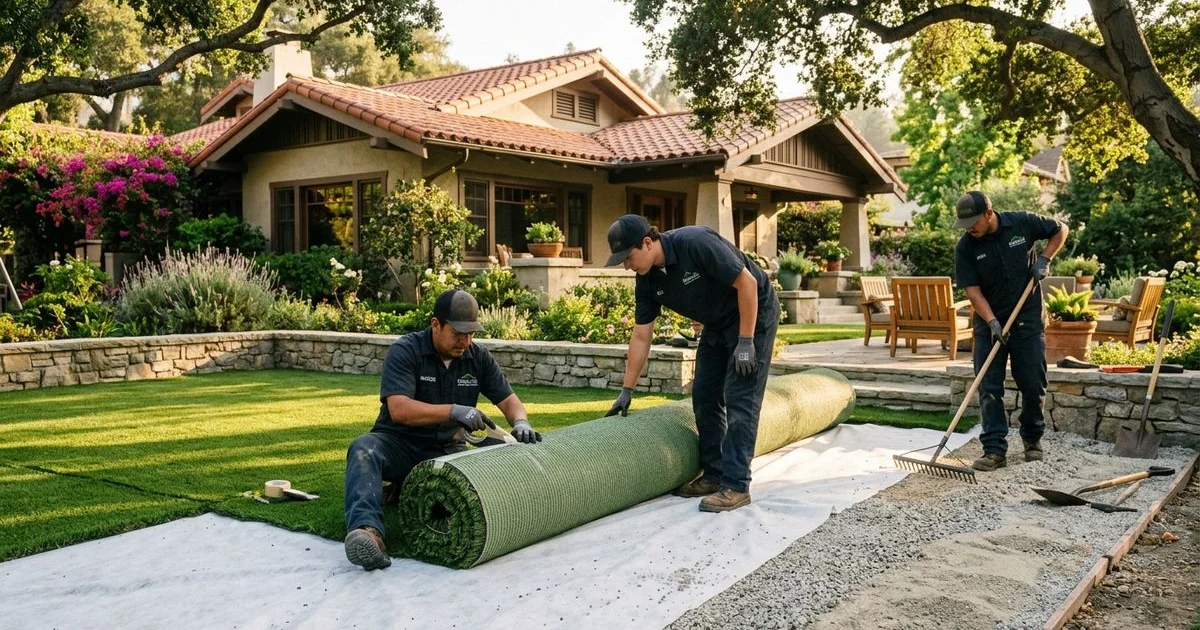
Turf and planting. Artificial turf in Pasadena saves water and looks excellent when set up properly. Inquire about infill types that stay cooler, perforated backing for drainage, seam placement, and base depth. For garden enthusiasts, drought tolerant garden Pasadena schemes built on natives and Mediterranean types thrive. Mix evergreen structure with seasonal bloomers and utilize drip irrigation to fulfill code.
Front backyards. Front backyard landscaping in Pasadena can reduce yard to a crisp mix of stone, DG, and low water plants. Small paver or put pads create entries without feeling like a driveway. Civically, tidy front yards lift neighborhoods and home values.
Backyards. Yard landscaping in Pasadena typically requires personal privacy screening. Little decorative trees, vine covered trellises, or well put seat walls do the job without making the yard feel boxed in.
If you want a single team to coordinate these layers, look for firms that identify themselves as an outside living contractor in Pasadena. Names you may experience include one stop stores that manage hardscape design Pasadena, patio construction Pasadena, and even garden landscaping Pasadena under the exact same roof.
Concrete expectations for craftsmanship
When talking to a hardscape builder Pasadena homeowners must ask targeted concerns. A professional responses with numbers and methods.
- What compaction spec do you strike on the base and subgrade? Try to find 90 to 95 percent. Ask how they validate it. How do you different base from clay soils? Anticipate reference of geotextile and proof rolling. What is your slope target off your house? 2 percent is standard for a lot of paving. How do you deal with transitions to thresholds? A tidy sill detail prevents tripping hazards. For pavers, what edge restraint system do you utilize? Curbs or concrete edging keep the field from spreading. How do you address efflorescence and first cleansing? A light, non acidic wash and appropriate curing matter. For keeping walls, what drain and reinforcement do you include? Listen for gravel, pipe, fabric, and grid. What is your plan for landscape drainage Pasadena broad? You desire a coherent map, not piecework.
Answers that count on "we do it how we always do it" are not enough. Responses with website particular reasoning show you remain in excellent hands.
Vetting a professional without guesswork
Licensing and insurance coverage. In California, hardscape and landscape setup typically falls under a C‑27 Landscape Specialist or related classifications. Verify license status and employees' compensation. Request for a current insurance coverage certificate with your name noted as certificate holder.
Portfolio and recommendations. Try to find projects similar to yours: a hillside maintaining wall, a paver driveway, or a luxury outdoor living Pasadena space with multiple trades. Talk with customers from a minimum of a year ago to hear how the work is aging.
Local understanding. Pasadena has peculiarities, from street gain access to rules to stringent tree defenses. A builder fluent in these limits will set your timeline and budget fairly. If you are on a slope or near a wash, verify any additional evaluations early.
Team structure. Some firms self carry out most work. Others coordinate specialized subs for masonry, concrete, or synthetic turf Pasadena sets up. Neither is naturally better, but you deserve to know who will be on site daily.
Warranties. A one year workmanship guarantee is common. Paver makers frequently offer longer product service warranties. Ask how the contractor handles settling, polymeric sand washout, and sprinkler leakages found throughout demo.
Communication. You desire weekly updates, clear points of contact, and schedules that respond to weather. For luxury landscape style Pasadena projects with many moving parts, conference notes and illustrations avoid mistakes.
What a solid proposal includes
Here is a brief checklist I utilize when reviewing bids for hardscape installation Pasadena tasks:
- Scaled strategy with measurements, area elevations, and drain arrows Section details for paving, walls, actions, and turf base layers Material specs by producer, blend, and finish Allowances and exclusions listed plainly, consisting of authorizations, transport off, and utility upgrades Payment schedule tied to quantifiable milestones, not unclear percentages
When a patio contractor Pasadena locals work with provides this level of clearness, modification orders drop and surprises fade.
Pricing truths and timelines
Costs swing based on gain access to, products, and engineering. As a general sense for Pasadena:
- Basic concrete patios frequently land between 15 to 25 dollars per square foot for broom finishes, more for colored, sandblasted, or heavily saw cut patterns. Interlocking paver patios usually run 25 to 45 dollars per square foot depending on base depth, cuts, and edge restraint, with driveways higher due to thicker base and much heavier pavers. Natural stone set on mortar over slab pushes into 50 to 90 dollars per square foot or more, depending on stone and complexity. Retaining walls differ widely. Small segmental walls under 3 feet might be 80 to 150 dollars per square foot of face. Engineered masonry walls increase well above that as soon as footings, rebar, and drainage stack up. Artificial grass setup Pasadena wide frequently comes in between 12 to 20 dollars per square foot, influenced by turf type, base depth, and access.
Permitting and engineering include time. A simple patio might begin within two to four weeks after contract. A permitted wall or a luxury outdoor living Pasadena job might require 6 to 10 weeks for design and approvals before ground breaks. City holidays and busy seasons extend these windows. Construct periods vary from a week for a small entry to numerous months for complete outdoor living spaces Pasadena house owners commission with kitchens, pergolas, and integrated lighting.
Design choices that age well
I encourage customers to spend where it affects day-to-day usage and to simplify where it will date quickly.
- Material tone. In Pasadena's light, mid to light tones hide dust and read cooler. Conserve dark colors for accents, not primary fields. Joints and patterns. Classic running bonds, 45 degree herringbones on paver patios, and big format porcelain with tight joints age much better than novelty patterns. Borders and inlays. Keep them limited. One border to frame a patio suffices. A lot of lines chop space. Planting adjacency. Raise planters by a course or more so soil does not plunge onto pavers. On xeriscape landscaping Pasadena projects, use steel or stone edging to keep DG in place. Lighting. Integrated step and wall lights add safety without glare. Prevent incredibly bright, blue toned fixtures. Warm LEDs at 2700 to 3000 K flatter stone and planting.
How to prevent common pitfalls
Here are the warnings I look for when selecting a hardscape builder Pasadena house owners can trust:
- Vague drawings or no drawings at all, simply a lump sum No talk of drainage, compaction, or base thickness Reluctance to pull permits for walls or structures that likely require them Rock bottom prices that presumes minimal demonstration, thin bases, or unskilled labor Inability to offer current regional references for similar scope
If two quotes are far lower than the others, ask what is missing. An outdoor patio that seems cheap at agreement typically grows as soon as real website conditions appear.
Integrating water wise landscaping with hardscape
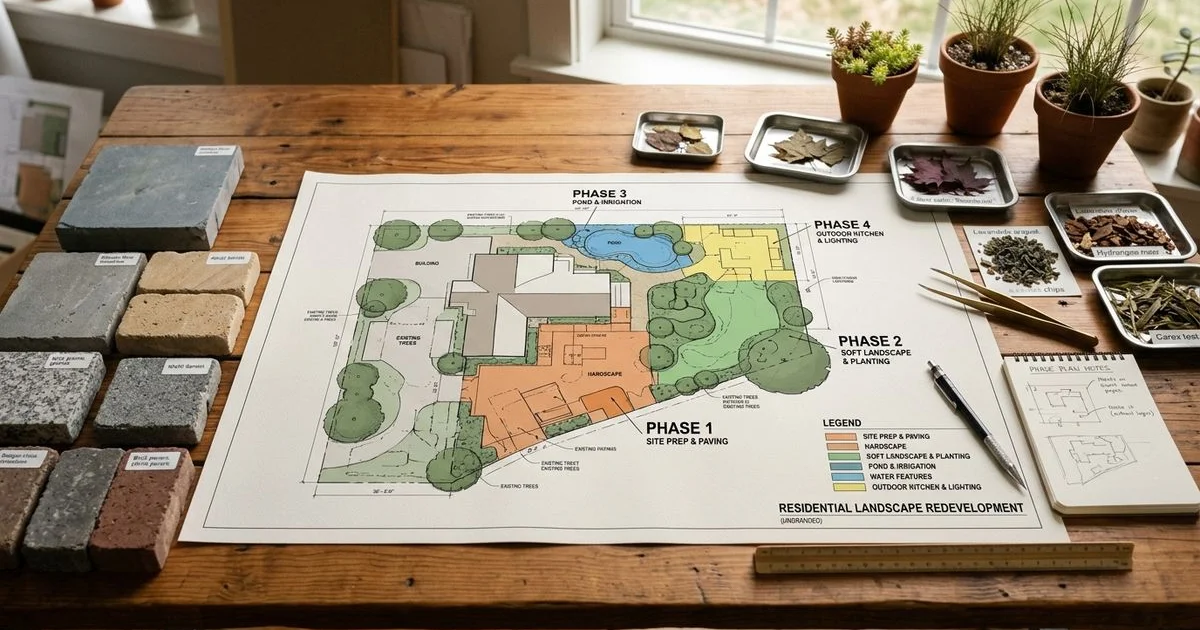
Pasadena's watering rules reward smart planting. A good garden design Pasadena plan matches the hard surfaces instead of fighting them.
Drip watering. For beds near paving, matched precipitation drip reduces overspray that stains hardscape. Subsurface drip under synthetic turf Pasadena sets up can likewise cool turf if placed and valved specifically for that function, though lots of homeowners pull out for simplicity.
Mulch and stone. In a drought tolerant garden Pasadena setting, mulch keeps moisture where you desire it. Usage gravel and river stone as accents where splash potential is low. At downspouts, construct small rock aprons to deal with energy dissipation.
Plant selection. Salvias, manzanitas, westringias, rosemary, agaves, and olives succeed. Mix textures so the garden looks alive helpful resource even in August. Layer heights to soften seat walls and fences.
Permeability. When possible, separate large pieces with planting bands or permeable joints. The composition looks better and manages water.
If you deal with a single firm for both hardscape and landscape, such as an outside living professional Pasadena teams like Ridgeline Outdoor Living or comparable regional professionals, coordination tightens and your schedule tends to hold. What matters is not the name, however the proof that design and develop collaborate.
Working with the city and neighbors
In older Pasadena neighborhoods, gain access to can be tight. Prepare for street parking of equipment, noise windows, and haul paths. Verify whether your job triggers historic evaluation if you are near designated districts. For curb cores and storm incorporate, the city typically needs a specific detail and examination. A builder who manages this with very little hassle earns their keep.
Neighbor relations matter. Concrete pours and paver cuts are noisy. Share schedules ahead of time, keep websites swept, and manage dust with courteous water use. Your contractor should cover this with plastic at entries and regular cleanup.
Maintenance and long term care
Hardscapes age well with small, regular attention.
- Pavers. Re sand polymer joints if required after the very first season. Blow particles off typically to prevent joint obstructing. Seal only if the particular paver and location benefit from it. Concrete. Inspect control joints, keep edges clear of soil accumulation, and avoid deicing salts. Hairline fractures happen. Structural fractures telegraph deeper concerns and be worthy of a look. Stone. Reseal as suitable for the product and direct exposure. Tidy with pH proper cleaners to avoid etching. Artificial grass. Brush high traffic locations to raise fibers. Add infill if low spots appear. Rinse animal locations. Keep reflective glare from windows off turf or it may melt; window films or screens fix it. Drainage. Check and clear location drain grates before the very first winter season storm. Flush lines annually if tree litter is heavy.
An accountable hardscape company Pasadena property owners hire will read more walk you through this upkeep at project closeout and deal seasonal follow ups if desired.
Bringing all of it together
Choosing the ideal team is a mix of head and gut. The head checks licensing, drawings, specs, numbers, and recommendations. The gut listens for the home builder who studies your website, talks about water motion before stone color, and calls out trade offs without hedging. Whether you are preparing a simple paver patio Pasadena next-door neighbors will envy, an intricate hillside with keeping wall installation and yard drainage Pasadena inspectors will authorize, or a complete luxury outdoor living Pasadena environment with kitchen and shade, the ideal partner makes the procedure smoother and the outcome stronger.
Interview at least two or 3 companies. Ask to describe their base design for your soil, their drain strategy, and their schedule from demo to final. If a patio contractor Pasadena citizens advise can reveal you a task mid develop, go see it. The fact of a contractor's requirements shows in the layers you will never ever see again once the last joint is swept.
With a mindful choice process, smart style, and craftsmanship that appreciates California soils and codes, your hardscape will look good on the first day and hold tight through the tenth rainy season. That is the mark of the very best landscape contractor Pasadena homeowners can find, and it is the result worth holding out for.
Business Name: Ridgeline Outdoor Living
Address: 845 E Walnut St, Pasadena, CA 91101, United States
Phone: (626) 469-5822
Ridgeline Outdoor Living
Ridgeline Outdoor Living is a Pasadena-based landscape design-build company serving Greater Los Angeles with custom outdoor living, hardscape, and drought-tolerant landscape solutions. The company specializes in patios, retaining walls, outdoor kitchens, drainage, hillside projects, and turnkey landscape construction, handling projects from design and permitting through final build and warranty.
845 E Walnut St, Pasadena, CA 91101, USA
Business Hours:
- Monday – Saturday: 8:00 AM – 6:00 PM
- Sunday: Closed
Follow Us: